

Key Takeaways
- Foot and ankle pain typically results from overuse, biomechanical issues, and improper footwear rather than acute injuries, affecting daily activities and mobility.
- Early physical therapy prevents chronic instability and recurrent injuries while achieving faster recovery than delayed treatment for most foot and ankle conditions.
- Feet and ankles bear entire body weight with every step, making them vulnerable to pain from inadequate support and repetitive stress.
- Conservative treatment including stretching, strengthening, and activity modifications effectively resolves most conditions without surgery within weeks to months of consistent effort.
Living with foot and ankle pain doesn't mean accepting limitations on your daily activities. Discover evidence-based treatment options to help you return to pain-free movement and an improved quality of life.
Foot and Ankle Pain Explained
Pain ranges from mild soreness to severe discomfort limiting daily activities. It may be sharp and localized to the heel or arch, or dull and spreading throughout the foot. Symptoms can develop suddenly from injury or gradually from overuse and improper footwear.
Your feet and ankles are vulnerable because they bear your entire body weight with every step. Most foot and ankle pain improves with conservative treatment, but without proper care, symptoms can persist and impact your mobility and quality of life.
By The Numbers
of Adults Experience frequent foot pain in middle and older age[1]
Weeks Typical improvement time for mild ankle sprains
Americans Report experiencing foot problems at some point[2]
Common Causes of Foot and Ankle Pain
Understanding what causes foot and ankle pain helps you make informed decisions about treatment and prevention. While some cases result from acute injuries, most develop from overuse, biomechanical issues, or everyday activities.

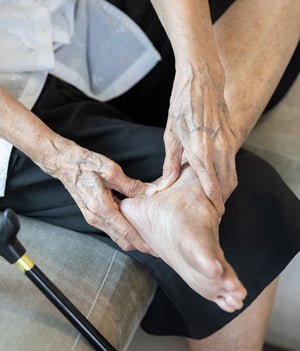

Overuse and repetitive stress cause inflammation of the Achilles tendon, the large tendon connecting your calf muscles to your heel bone. This condition produces pain and stiffness along the back of the ankle, particularly during or after physical activity. Sudden increases in exercise intensity, tight calf muscles, and improper footwear frequently lead to Achilles tendonitis.
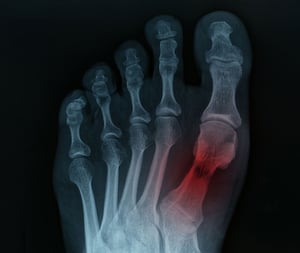
Small cracks in the bones of the foot or ankle develop from repetitive force and overuse, particularly during high-impact activities like running or jumping. These fractures cause localized pain that worsens with activity and improves with rest. Athletes who rapidly increase training intensity or individuals with inadequate bone density face a higher risk of stress fractures.
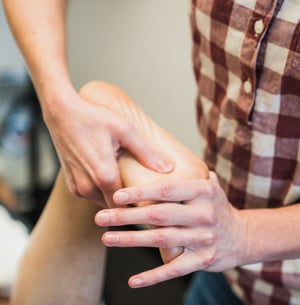
Age-related wear and tear, previous injuries, or inflammatory conditions cause arthritis in the foot and ankle joints, leading to pain, stiffness, and reduced mobility. Osteoarthritis commonly affects the big toe joint and ankle, causing morning stiffness and pain that worsens throughout the day. Post-traumatic arthritis can develop years after an ankle injury, even when the initial injury seemed to heal completely.
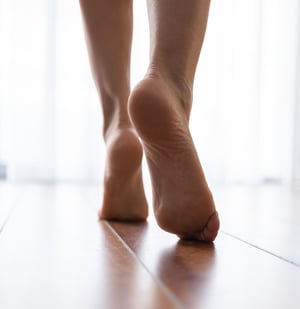
Abnormal foot structure places uneven stress on muscles, tendons, and joints throughout the foot and ankle. Flat feet, where the arch collapses or never develops, cause the foot to roll inward excessively during walking. High arches create insufficient shock absorption and place excessive pressure on the heel and ball of the foot. Both conditions can lead to chronic pain, fatigue, and increased injury risk without proper support.
Symptoms of Foot and Ankle Pain
Sharp, stabbing discomfort in the heel or arch when taking initial steps after waking up or after prolonged sitting, gradually decreasing as you move around.
Visible puffiness around the ankle, foot, or specific areas like the heel or toes, often accompanied by warmth and tenderness to touch.
Inability or reluctance to put full pressure on the affected foot, needing to limp, favor one side, or use assistive devices for comfortable walking.
Limited ability to point your toes, flex your ankle, or move your foot through its normal range of motion, particularly noticeable in the morning or after rest.
Visible color changes ranging from red to purple or blue-black, typically appearing after trauma or injury and gradually changing as healing progresses.
Sudden, intense discomfort that may radiate from one area of the foot or ankle to another, often triggered by specific movements or positions.
The Early Intervention Advantage
Starting physical therapy early for foot and ankle pain leads to better outcomes than delayed treatment. For ankle sprains, early mobilization with functional support and rehabilitation reduces the risk of chronic instability and recurrent injury. For plantar fasciitis, manual therapy combined with stretching exercises significantly reduces pain and improves function[3]. Early intervention across foot and ankle conditions prevents acute injuries from developing chronic problems and helps patients return to normal activities faster.
Risk Factors for Developing Foot and Ankle Pain
Age: Risk increases with age due to wear and tear on joints, reduced tissue elasticity, and degenerative changes.
Sports Participation: Athletes involved in running, jumping, cutting, and pivoting sports face substantially higher risk. Basketball, soccer, volleyball, and football players experience particularly high rates of ankle sprains and overuse injuries.
Improper Footwear: Shoes lacking adequate arch support, cushioning, or stability increase stress on foot and ankle structures. High heels, worn-out athletic shoes, and ill-fitting footwear contribute significantly to both acute injuries and chronic conditions.
Obesity: Excess body weight places additional stress on weight-bearing structures of the feet and ankles with every step, increasing the risk of plantar fasciitis, arthritis, and other foot and ankle pain conditions while slowing healing.
Occupation: Jobs requiring prolonged standing, walking on hard surfaces, or repetitive movements increase vulnerability. Healthcare workers, retail employees, construction workers, and servers face particularly high rates.
Previous Injury: A history of ankle sprains or foot injuries significantly increases the risk of recurrent problems, especially if the initial injury does not properly heal.
Biomechanical Issues: Flat feet, high arches, overpronation, or leg length discrepancies create abnormal stress patterns that predispose individuals to chronic pain and injury throughout the lower extremity.
Training Errors: Rapid increases in exercise intensity, inadequate warm-up, improper technique, and insufficient recovery time between activities can lead to overuse injuries such as stress fractures, tendonitis, and plantar fasciitis.
When to See a Doctor Immediately
In most cases of foot and ankle pain, conservative treatment improves symptoms. However, specific symptoms require urgent medical attention.
Seek immediate care if you experience:
How Long Does Foot and Ankle Recovery Last?
- Ankle Sprains
- Plantar Fasciitis
- Achilles Tendonitis
- Chronic
- Post-Surgical
Acute Ankle Sprains (1-6 Weeks)
Physical Therapy for Plantar Fasciitis
(6-12 Weeks)
Achilles Tendonitis Recovery (4-8 Weeks)
Chronic Foot and Ankle Conditions
(2-4 Months)
Post-Surgical Rehabilitation (3-6 Months)
Foot and Ankle Pain Treatment Options
|
Treatment Option |
Pros |
Cons |
|
Physical Therapy |
• Treats root cause • Builds strength & stability • Long-term strategies • Prevents re-injury |
• Takes time commitment • Needs ongoing compliance • Multiple sessions weekly • Takes several weeks |
|
Medication (NSAIDs, Pain Relievers) |
• Temporary pain relief • Reduces inflammation • Available over-counter • Manages acute pain |
• Masks symptoms only • Doesn't fix root cause • Side effects possible • Not standalone treatment |
|
Rest and Activity Modification |
• Allows injury healing • Reduces pain/inflammation • Simple & immediate • No cost or equipment |
• Weakens muscles • Doesn't restore function • May delay return • No prevention strategies |
|
Orthotics and Bracing |
• Provides support/alignment • Reduces activity pain • Prevents specific injuries • Custom or preset options |
• Doesn't build strength • Creates dependence • Custom devices costly • Needs proper footwear |
|
Injections |
• Short-term pain relief • Quick inflammation drop • Helps specific conditions • Enables therapy |
• Benefits temporary • Doesn't fix causes • Side effects with repeats • May weaken tissues |
|
Surgery |
• Condition-specific • Repairs structural damage • Fixes severe instability • Relieves chronic symptoms |
• Serious risks • Extended recovery • Last resort option • Still needs PT after |
The Bottom Line
- Most elbow pain improves with conservative care, and physical therapy is usually the best starting point. Elbow tendon problems are common, especially in midlife adults, with tennis elbow most frequent.
- Targeted exercises and gradual strengthening reduce pain and restore function in people with elbow tendon issues. Many notice real improvement within weeks of starting treatment.
- Strengthening programs work better long-term than cortisone shots, which may ease pain briefly but don't address underlying problems or build lasting resilience in damaged tissues.
- Starting physical therapy early prevents minor injuries from becoming chronic and teaches effective symptom management and prevention strategies for avoiding future flare-ups.
How to Get Started with Physical Therapy
(if required)
Take The Next Step
Reach out to a referral specialist for more information about programs, insurance, or to request an appointment.Frequently Asked Questions
Most patients attend physical therapy 2-3 times weekly for 4-8 weeks, depending on the condition. Many notice improvement within the first few weeks of treatment.
Acute injuries may improve with rest alone, but proper rehabilitation prevents recurrent problems and chronic instability.
The vast majority of foot and ankle conditions respond well to conservative treatment. Surgery is typically reserved for severe injuries or conditions unresponsive to physical therapy.
Your therapist will prescribe specific exercises based on your condition. These typically include stretching, strengthening, balance training, and progressive functional activities tailored to your goals.
- Thomas, M. J., Roddy, E., Zhang, W., Menz, H. B., Hannan, M. T., & Peat, G. M. (2011). The population prevalence of foot and ankle pain in middle and old age: a systematic review. Pain, 152(12), 2870-2880. Retrieved from https://pubmed.ncbi.nlm.nih.gov/22019150/
- American Podiatric Medical Association. (2014). Public Opinion Survey on Foot Health and Care. Findings from a Survey of 1000 US Adults. Retrieved from https://www.apma.org/apmamain/document-server/?cfp=/apmamain/assets/file/public/studies/apma2014todayspodiatristsurveyallfindings.pdf
- Koc, T. A., Bise, C. G., Neville, C., Carreira, D., Martin, R., & McDonough, C. M. (2023). Heel Pain – Plantar Fasciitis: Revision 2023. Journal of Orthopaedic & Sports Physical Therapy, 53(12), CPG1-CPG39. Retrieved from https://www.jospt.org/doi/10.2519/jospt.2023.0303