

Skip to content
Woman experiencing jaw and facial pain, holding her cheek due to TMJ disorder and temporomandibular joint dysfunction, a common condition treated with physical therapy.
Sep 7, 2026, 5:04:05 PM12 min read

Head and Jaw Pain Treatment & Recovery

Head and Jaw Pain Treatment & Recovery
18:18

Key Takeaways

  1. Head and jaw pain affects millions of people, ranging from tension headaches to temporomandibular joint disorders, with most cases responding well to conservative treatment and physical therapy
  2. Early intervention with physical therapy reduces pain intensity and improves jaw function more effectively than delayed treatment, helping you return to normal activities faster
  3. Most head and jaw pain results from muscle tension, poor posture, stress, or joint dysfunction rather than serious underlying disease
  4. Understanding your specific condition, triggers, and treatment options empowers you to take control of your recovery and prevent future episodes

Living with head and jaw pain doesn't mean accepting constant discomfort. Whether you experience headaches, jaw clicking, facial pain, or difficulty chewing, evidence-based physical therapy can help you achieve lasting relief through targeted rehabilitation.


Head and Jaw Pain Explained

Head and jaw pain involves discomfort in the skull, face, and temporomandibular joint (TMJ). This region contains bones, muscles, nerves, and joints enabling chewing, speaking, and facial expressions. Pain ranges from mild tension to severe discomfort interfering with eating, talking, and sleeping. It may present as headaches, sharp jaw pain, or pressure around the temples, developing suddenly or gradually from teeth grinding, stress, or poor posture.

The jaw and head move constantly and respond significantly to stress. Poor posture, forward head position, and teeth clenching commonly contribute. Most pain improves with conservative care, but without treatment, symptoms can persist.


Head and Jaw Pain

By The Numbers

38.3% of headaches are classified as episodic tension [1]
29.5% of our global population suffer with TMD disorder [2]
33.1% of females are more likely to experience TMD than males [2]

Common Causes of Head and Jaw Pain

Understanding what causes head and jaw pain helps you make informed decisions about treatment and prevention. While some cases result from injuries, most develop from everyday habits, stress, and postural problems.

Person showing signs of stress and headache.
Tension-Type HeadachesThe most common form of headache involves muscle tightness and tension in the head, neck, and shoulders. Poor posture, stress, anxiety, prolonged computer work, and muscle fatigue create sustained muscle contractions that produce dull, pressing pain around the forehead, temples, or back of the head. These headaches can be episodic or chronic, significantly affecting daily activities and work productivity.
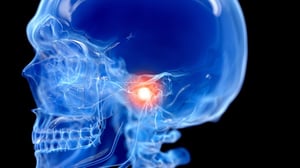
Medical illustration showing temporomandibular joint (TMJ) pain and inflammation.
Temporomandibular Joint DysfunctionProblems with the jaw joint and surrounding muscles cause pain in the jaw, face, and sometimes ears. TMJ dysfunction develops from various factors, including teeth grinding, jaw clenching, arthritis, disc displacement, or jaw misalignment. Symptoms include jaw clicking or popping, difficulty opening the mouth fully, pain with chewing, and facial tenderness.
Man suffering from tension headache and upper body stress.
Cervicogenic Headaches

Headaches originating from neck problems cause pain that typically starts at the base of the skull and radiates forward toward the forehead and eyes. Poor neck posture, cervical spine dysfunction, muscle tightness, and nerve irritation in the upper neck contribute to these headaches. Forward head posture from prolonged screen time is a major contributing factor.

Woman experiencing jaw pain related to teeth grinding.
Bruxism (Teeth Grinding and Clenching)

Unconscious grinding or clenching of teeth, often during sleep or periods of stress, places excessive force on jaw muscles and the temporomandibular joint. This repetitive strain causes jaw pain, headaches, tooth damage, and facial muscle soreness. Many people are unaware that they grind their teeth until symptoms develop or a dentist notices tooth wear.
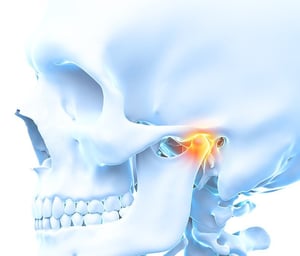
Illustration showing temporomandibular joint (TMJ) inflammation and jaw pain.
Muscle Strain and Myofascial Pain

Overuse or injury to the muscles controlling jaw movement and head position leads to localized pain and trigger points. Activities like prolonged chewing of gum, eating hard foods, extended talking, or holding the phone between your shoulder and ear strain these muscles. Myofascial trigger points in the jaw and neck muscles can refer pain to other areas of the head and face.
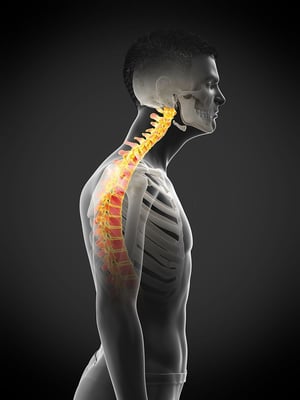
Medical illustration of cervical and upper thoracic spine pain highlighting spinal inflammation, commonly treated with physical therapy.
Poor Posture and Forward Head Position

Maintaining forward head posture during computer work, phone use, or daily activities places excessive stress on neck muscles and jaw alignment. For every inch the head moves forward from neutral alignment, approximately ten pounds of additional force strains the neck and jaw structures. This sustained poor positioning leads to chronic muscle tension, altered jaw mechanics, and persistent head and facial pain.

Symptoms of Head and Jaw Pain

Headache

Recurring or constant pain anywhere in the head, ranging from dull pressure to intense throbbing, potentially affecting the forehead, temples, back of head, or entire skull, varying in intensity throughout the day.

Jaw Pain or Tenderness

Discomfort in the jaw joint, facial muscles, or around the ears, often worsening with jaw movement, chewing, talking, or yawning, sometimes described as a deep ache or sharp pain.

Clicking, Popping, or Grating Sounds

Audible noises when opening or closing the mouth, ranging from soft clicks to loud pops, sometimes accompanied by a catching sensation or irregular jaw movement, indicating joint or disc problems.

Limited Jaw Movement

Difficulty opening the mouth fully, restriction when moving the jaw side to side, or feeling like the jaw is stuck or locked, interfering with eating, speaking, or oral hygiene.

Facial Pain or Pressure

Discomfort in the cheeks, around the eyes, or throughout the face, often described as a dull ache, tightness, or pressure sensation that may worsen with jaw activity or stress.

Ear Pain or Fullness

Discomfort in or around the ears without actual ear infection, feeling of pressure or fullness in the ears, or muffled hearing, occurring because the temporomandibular joint sits close to the ear canal.

Neck Pain and Stiffness Tension and discomfort in the neck muscles, reduced ability to turn the head, and tightness extending from the base of the skull down into the shoulders, often accompanying headaches and jaw pain.
Tooth Sensitivity Increased dental sensitivity or pain without obvious dental problems, particularly upon waking, often indicates nocturnal teeth grinding or jaw clenching that places excessive force on teeth.

The Early Intervention Advantage

Early physical therapy for head and jaw pain improves outcomes better than delayed treatment. Patients report significant pain reduction and better jaw function within the first month, while learning self-management strategies that prevent symptoms from becoming chronic.

Risk Factors for Developing Head and Jaw Pain

Gender: Women experience both tension-type headaches and TMJ disorders at significantly higher rates than men[1][2], with hormonal factors potentially contributing to increased susceptibility and pain sensitivity.

Stress and Anxiety: Psychological stress increases muscle tension throughout the head, neck, and jaw, contributing to both headaches and TMJ problems. Chronic stress often leads to unconscious jaw clenching and teeth grinding.

Poor Posture: Forward head position, rounded shoulders, and slouched sitting during computer work or phone use place excessive strain on neck and jaw structures, contributing to muscle imbalance and chronic pain.

Teeth Grinding or Clenching: Bruxism, whether during sleep or while awake, places tremendous force on jaw muscles and joints, accelerating wear on the temporomandibular joint and causing chronic muscle fatigue and pain.

Previous Jaw or Head Injury: History of facial trauma, whiplash, jaw injury, or direct impact to the head increases vulnerability to developing chronic jaw dysfunction and headaches due to altered joint mechanics or scar tissue formation.

Dental Problems: Malocclusion (poor bite alignment), missing teeth, ill-fitting dental work, or orthodontic issues can alter jaw mechanics and muscle function, contributing to TMJ disorders and associated headaches.

Occupation: Jobs requiring prolonged forward head posture (computer work, detailed assembly), repetitive jaw movements (public speaking, singing, wind instrument playing), or high stress levels significantly increase risk for both conditions.

When to See a Doctor Immediately

In most cases of head and jaw pain, conservative treatment improves symptoms. However, specific symptoms require urgent medical attention.

Seek immediate care if you experience:

Sudden Severe Headache The worst headache of your life, particularly if it comes on suddenly like a "thunderclap," may indicate a serious condition such as a brain hemorrhage, aneurysm, or stroke.
Headache with Neurological Symptoms Sudden vision changes, difficulty speaking, weakness on one side of the body, confusion, loss of balance, or seizures accompanying a headache indicate a possible stroke or other neurological emergency.
Headache with High Fever and Stiff Neck A combination of severe headache, fever, neck stiffness, sensitivity to light, and confusion may indicate meningitis or other serious infection.
Headache After Head Injury New or worsening headache following a blow to the head, fall, or accident, especially if accompanied by confusion, drowsiness, vomiting, or loss of consciousness.
Jaw Locking in Closed Position Sudden inability to open your mouth, with the jaw locked shut, may indicate acute TMJ disc displacement or muscle spasm.
Progressive Vision Changes

Gradual or sudden vision loss, double vision, or visual disturbances accompanying headaches require prompt evaluation to rule out serious conditions affecting the eyes or brain.

Persistent Headache Unrelieved by Usual Treatments Headache that continues to worsen over days to weeks despite typical pain relief measures, particularly if accompanied by other concerning symptoms or personality changes.
Headache That Worsens with Position Changes Severe headache that dramatically worsens when standing or lying down, potentially indicating cerebrospinal fluid pressure problems.

How Long Does Head and Jaw Recovery Last?

The duration of head and jaw pain recovery varies based on condition severity, underlying cause, contributing factors, and treatment approach:

Acute Tension Headache or Jaw Strain
(Few Days to 2 Weeks)

Acute episodes of tension headaches or jaw muscle strain from temporary stress, poor sleep, or brief overuse typically improve within a few days to two weeks with appropriate self-care, stress management, and gentle jaw exercises. Most people experience significant relief within the first week with proper rest and activity modification.

Physical Therapy for Chronic Headaches or TMJ Dysfunction (6-12 Weeks)

Most patients with chronic tension headaches or temporomandibular joint disorders experience meaningful symptom improvement within 6-12 weeks of physical therapy. Treatment focuses on manual therapy to release muscle tension, jaw mobilization techniques, postural correction, therapeutic exercises, and stress management strategies. Patients who attend regular sessions and consistently perform home exercises achieve the best outcomes.

Cervicogenic Headache Management
(8-12 Weeks)

Headaches originating from neck dysfunction typically require 8-12 weeks of comprehensive treatment, including cervical spine mobilization, postural training, upper body strengthening, and ergonomic modifications. Improvement occurs gradually as neck function restores and contributing postural habits change, with consistent effort and long-term lifestyle modifications essential for lasting relief.

Bruxism-Related Pain Treatment
(4-12 Weeks)

Pain resulting from teeth grinding requires addressing both symptoms and underlying causes. Physical therapy combined with stress management, possible dental splint therapy, and behavioral modification typically produces noticeable improvement within 4-12 weeks. Complete resolution may take longer, as breaking unconscious grinding habits and allowing overworked muscles to recover requires sustained effort and multiple treatment approaches.

Head and Jaw Pain Treatment Options

 Treatment Option

 Pros

 Cons

Physical Therapy

 • Treats root causes
 • Improves muscle balance
 • Long-term strategies
 • Reduces headaches
 • Takes time & participation
 • Needs ongoing habits
 • Multiple sessions weekly
 • May cause soreness

Medication (Pain Relievers, Muscle Relaxants)

 • Temporary relief
 • Quick pain reduction
 • Available over-counter
 • Manages severe flare-ups
 • Masks symptoms only
 • Doesn't fix causes
 • Side effects possible
 • Overuse headache risk

Dental Splints or Night Guards

 • Reduces grinding damage
 • Lowers jaw muscle activity
 • Protects teeth from wear
 • Reduces morning pain
 • Doesn't treat muscles
 • Adjustment period needed
 • Needs dental monitoring
 • Misses daytime clenching

Stress Management and Relaxation Techniques

 • Addresses mental triggers
 • Reduces muscle tension 
 • Lifelong coping tools
 • Complements treatments
 • Needs consistent practice
 • Benefits take time
 • Doesn't fix structure 
 • May need guidance

Trigger Point Injections

 • Targeted pain relief
 • Reduces muscle spasms
 • Enables therapy
 • Treats trigger points
 • Temporary relief
 • Doesn't fix dysfunction
 • Potential risks
 • May need repeats

Botox Injections

 • Reduces muscle overactivity
 • Lowers headache frequency
 • Helps severe bruxism
 • Effects last several months
 • Expensive option
 • Temporary, needs repeats
 • Doesn't fix mechanics
 • Side effects possible

The Bottom Line

  • Head and jaw pain represent a widespread problem affecting a substantial portion of the population, with tension-type headaches and temporomandibular disorders being particularly prevalent conditions that require attention.
  • These problems significantly impact daily function, work productivity, and quality of life for millions of people worldwide, making effective treatment essential for overall well-being and performance.

  • Physical therapy for temporomandibular disorders quickly reduces pain and improves jaw function, often within months, providing relief without relying solely on medications for management.
  • Because jaw pain and headaches are often linked, treatment should address muscles, posture, and biomechanics rather than simply managing symptoms with medication alone for lasting results.
Intro Title

Prevention Tips for Protecting Your Lower Back

Description. Lorem ipsum dolor sit amet, consetetur sadipscing elitr, sed diam nonumy eirmod tempor invidunt ut labore et

EW_Freemium_400x500-Fan@1x

How to Get Started with Physical Therapy

1
Schedule Your Initial Evaluation
Book a comprehensive assessment with an EW Physical Therapist. We'll evaluate your jaw mobility, muscle tension patterns, posture, head and neck alignment, and functional limitations to create a personalized treatment plan addressing your specific head pain, jaw dysfunction, or combined symptoms.
2
Obtain a Referral
(if required)
Many insurance plans allow direct access to physical therapy. If needed, contact your primary care provider to request a referral to EW Motion Therapy. Our team can guide you through the referral process and coordinate with your physician and dentist as appropriate.
3
Begin Your Recovery Journey
Work with your therapist to progress through structured rehabilitation phases, from pain management to postural correction, jaw strengthening, and functional training. Consistent adherence to your program, including home exercises, is essential.

Take The Next Step

Reach out to a referral specialist for more information about programs, insurance, or to request an appointment.
Head and Jaw Pain

Frequently Asked Questions

How long does physical therapy take for head and jaw pain?

Most patients attend physical therapy 2 to 3 times weekly for 6 to 12 weeks. Many notice meaningful improvement within the first month of treatment.

Can head and jaw pain go away without treatment?

Acute episodes may resolve temporarily. However, addressing underlying causes prevents chronic pain and significantly reduces recurrence risk.

Will I need surgery for TMJ disorders?

Most TMJ disorders respond well to conservative treatment. Surgery is reserved for severe structural problems or cases unresponsive to extensive conservative care.

What exercises help with head and jaw pain?

Your physical therapist will prescribe specific exercises based on your condition, typically including gentle jaw mobilization, postural strengthening, neck stretches, and relaxation techniques.

How can I prevent head and jaw pain from returning? Maintaining good posture, managing stress effectively, avoiding teeth clenching, performing regular jaw and neck exercises, optimizing workstation ergonomics, and addressing bruxism significantly reduce recurrence risk.
Show Sources
  1. [1] Schwartz, B. S., Stewart, W. F., Simon, D., & Lipton, R. B. (1998). Epidemiology of tension-type headache. JAMA, 279(5), 381-383. Retrieved from https://pubmed.ncbi.nlm.nih.gov/9459472/
  2. [2] Alqutaibi, A. Y., Alhammadi, M. S., Hamadallah, H. H., Altarjami, A. A., Malosh, O. T., Aloufi, A. M., Alkahtani, L. M., Alharbi, F. S., Halboub, E., & Almashraqi, A. A. (2025). Global prevalence of temporomandibular disorders: a systematic review and meta-analysis. Journal of Oral & Facial Pain and Headache, 39(2), 48-65. Retrieved from https://www.jofph.com/articles/10.22514/jofph.2025.025