
Skip to content
Patient receiving physical therapy for balance, coordination, and mobility challenges related to neurological conditions.
Sep 7, 2026, 5:03:25 PM12 min read

Neurological Disorders Treatment & Recovery

Neurological Disorders Treatment & Recovery
19:33

Key Takeaways

  1. Neurological conditions affecting movement and function often improve through targeted physical therapy that retrains the nervous system and restores functional independence 
  2. Early rehabilitation following neurological events leads to better recovery outcomes, with intensive therapy promoting neuroplasticity and faster restoration of daily activities
  3. Neurological physical therapy addresses diverse conditions, including stroke, Parkinson's disease, multiple sclerosis, traumatic brain injury, and balance disorders
  4. Understanding your specific neurological condition, its symptoms, and evidence-based treatment approaches empowers you to participate in your recovery journey actively

Living with a neurological condition doesn't mean surrendering your independence. Specialized neurological physical therapy can help you regain function, reduce symptoms, and improve quality of life through individualized rehabilitation for stroke, Parkinson's disease, or balance difficulties.


Neurological Disorders Explained

Neurological disorders affect the brain, spinal cord, or peripheral nerves that control movement, sensation, balance, and coordination. Your nervous system serves as the body's communication network, directing voluntary movement and maintaining posture and muscle tone. When injury or disease disrupts this system, it can impair movement patterns and limit daily activities. Conditions may develop suddenly after stroke or injury, or progress gradually with diseases like Parkinson's or multiple sclerosis.

Physical therapy plays a crucial role in neurological rehabilitation because the nervous system can reorganize and form new connections through neuroplasticity. Through repetitive, task-specific exercises and functional training, physical therapy helps your brain and nerves relearn movement patterns, compensate for deficits, and restore independence in meaningful activities.


Neurological Disorders

By The Numbers

410,000 incident strokes occurred in the United States in one year[1]
6.3
million
Americans were living with stroke in 2021[1]
3.13 times greater likelihood of a female to be diagnosed with multiple sclerosis than a male[2]
108 to 212 per 100,000 adults aged 65 and older in the United States are diagnosed with Parkinson’s disease annually[3]

Common Causes of Neurological Disorders

Understanding the underlying causes of neurological conditions helps you recognize risk factors and make informed decisions about prevention and treatment.
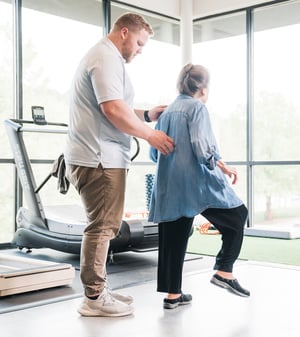
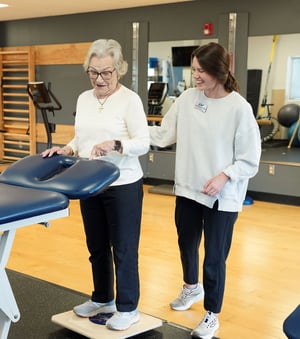
Physical therapist assisting an older adult with balance training during rehabilitation.
StrokeA stroke occurs when blood flow to part of the brain is interrupted, either by a blocked artery (ischemic stroke) or a ruptured blood vessel (hemorrhagic stroke). This sudden loss of blood supply damages or kills brain cells, resulting in weakness, paralysis, speech difficulties, visual changes, or cognitive impairment. The location and extent of brain damage determine which functions are affected. Risk factors include high blood pressure, diabetes, heart disease, smoking, and obesity.
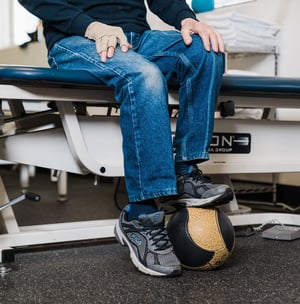
Patient performing a foot and ankle exercise during physical therapy.
Parkinson's DiseaseA progressive neurological disorder where brain cells that produce dopamine gradually die, affecting movement control. Parkinson's disease causes tremors, rigidity, slowness of movement, and balance problems. While the exact cause remains unknown, a combination of genetic and environmental factors contributes to disease development. Symptoms typically begin gradually and worsen over time, affecting daily activities like walking, dressing, and writing.
Physical therapist assisting an older adult with balance training during physical therapy.
Multiple Sclerosis

An autoimmune condition where the immune system attacks the protective covering of nerve fibers in the brain and spinal cord. This damage disrupts nerve signals, causing symptoms that vary based on which nerves are affected. Common problems include fatigue, weakness, numbness, vision changes, balance difficulties, and coordination problems. Multiple sclerosis follows unpredictable patterns, with some people experiencing periodic flare-ups while others have gradually progressive symptoms.

Man suffering from tension headache and upper body stress.
Traumatic Brain Injury

Brain damage resulting from external force, such as falls, vehicle accidents, or sports impacts. Traumatic brain injury ranges from mild concussions to severe injuries, causing prolonged unconsciousness. Symptoms include dizziness, balance problems, cognitive difficulties, mood changes, and physical impairments. Recovery varies significantly based on injury severity and location, with some individuals experiencing persistent symptoms affecting daily function.

Symptoms of Neurological Disorders

Weakness or Paralysis

Reduced strength or complete loss of movement in one or more limbs, one side of the body, or specific muscle groups, ranging from subtle weakness noticed during challenging tasks to complete inability to move affected areas.

Balance and Coordination Problems

Unsteadiness while walking, frequent falls, difficulty with precise movements, or feeling like the room is spinning, making it challenging to navigate environments safely or perform tasks requiring fine motor control.

Tremors or Involuntary Movements

Rhythmic shaking of hands, arms, legs, or head that may occur at rest or during movement, along with other involuntary movements like muscle twitches, jerks, or abnormal postures that interfere with functional activities.

Numbness and Tingling

Altered sensation ranging from mild pins-and-needles feelings to complete loss of sensation in hands, feet, or other body areas, potentially affecting your ability to feel temperature, pain, or the position of your limbs in space.

Muscle Stiffness and Spasticity

Increased muscle tone causes tightness, rigidity, or involuntary muscle contractions that interfere with smooth movement, making muscles feel constantly tense and difficult to relax or stretch, limiting functional mobility.

Speech and Swallowing Difficulties

Slurred speech, trouble finding words, weak voice, or problems coordinating the muscles needed for clear speech, along with difficulty chewing or swallowing food and liquids safely, increasing risk of choking.

Gait Abnormalities Changes in walking patterns, including shuffling steps, dragging feet, wide-based stance, inability to lift feet properly, or freezing episodes where feet feel stuck to the ground, significantly affecting mobility and independence.
Cognitive Changes Difficulty with memory, attention, problem-solving, or processing information, along with confusion, disorientation, or slowed thinking that impacts daily decision-making and functional independence.
Fatigue Overwhelming tiredness that doesn't improve with rest, limiting your ability to participate in activities throughout the day and significantly reducing endurance for physical and cognitive tasks.

The Early Intervention Advantage

Starting rehabilitation early after neurological events leads to superior outcomes. Early intervention capitalizes on heightened neuroplasticity, prevents compensatory movement patterns, maintains fitness, and reduces psychological distress. Beginning therapy promptly also prevents secondary complications like contractures, pressure sores, and deconditioning.


Risk Factors for Developing Neurological Disorders

Age: Risk for most neurological conditions increases with age, particularly for stroke and Parkinson's disease.

Cardiovascular Risk Factors: High blood pressure, diabetes, high cholesterol, heart disease, and atrial fibrillation significantly increase stroke risk and contribute to vascular damage affecting the nervous system throughout the body.

Family History and Genetics: Having close relatives with neurological conditions increases risk for certain disorders. Genetic factors play significant roles in Parkinson's disease, multiple sclerosis, and some movement disorders.

Lifestyle Factors: Smoking, excessive alcohol consumption, physical inactivity, poor diet, and obesity increase the risk for stroke and accelerate the progression of various neurological conditions. Regular exercise and healthy lifestyle choices provide substantial protective benefits.

Previous Head or Neck Injury: A history of concussions, traumatic brain injury, or severe whiplash injuries increases vulnerability to persistent symptoms and long-term neurological complications, including balance disorders and cognitive difficulties.

Occupational Exposures: Certain workplace exposures to toxins, heavy metals, pesticides, or solvents increase risk for developing neurological conditions, particularly peripheral neuropathy and Parkinson's disease.

Autoimmune Conditions: Having one autoimmune disorder increases susceptibility to developing others, including multiple sclerosis. Immune system dysfunction can attack nervous system tissues, causing progressive neurological symptoms.

Vitamin Deficiencies: Inadequate intake of vitamin B12, vitamin D, and other essential nutrients may worsen outcomes in various neurological conditions, affecting nerve function and repair.

When to See a Doctor Immediately

While many neurological symptoms improve with rehabilitation and conservative treatment, certain warning signs require urgent medical attention.

Seek immediate care if you experience:

Sudden Stroke Symptoms Sudden weakness or numbness in the face, arm, or leg, especially on one side of the body, sudden confusion or trouble speaking or understanding speech, sudden vision problems, sudden severe headache with no known cause, or sudden trouble walking or loss of balance require emergency evaluation. Remember FAST: Face drooping, Arm weakness, Speech difficulty, Time to call 911.
Progressive Weakness or Paralysis Rapidly worsening weakness over hours to days, spreading numbness, or ascending paralysis starting in the feet and moving upward suggests urgent neurological conditions.
Loss of Consciousness or Seizures Fainting, passing out, or experiencing seizures, particularly if occurring for the first time or increasing in frequency.
Sudden Vision Changes Abrupt loss of vision in one or both eyes, double vision, or significant visual disturbances, particularly when accompanied by other neurological symptoms like weakness or speech changes.
Difficulty Swallowing or Breathing New onset problems swallowing, choking on food or liquids, or respiratory difficulties suggest potential involvement of critical neurological functions controlling these vital activities.
Severe Vertigo with Neurological Symptoms

Intense spinning sensation accompanied by severe headache, weakness, numbness, difficulty speaking, or inability to walk.

Changes in Mental Status New confusion, disorientation, personality changes, or difficulty with memory and thinking that develops suddenly or worsens rapidly over hours to days.
Sudden Loss of Balance or Coordination Abrupt onset of severe unsteadiness, inability to walk, or profound coordination problems, especially when combined with other neurological symptoms.

How Long Does Neurological Recovery Last?

Recovery duration varies widely based on the specific condition, severity, affected areas, and individual factors:

Stroke Recovery (3-6 Months Primary Recovery)

Most significant recovery occurs within the first three to six months following stroke, though improvements can continue for years with ongoing therapy. Intensive rehabilitation during this critical window maximizes functional gains. Early mobility and task-specific training accelerate recovery, with many patients regaining substantial independence through consistent effort. Long-term therapy focuses on maintaining gains and continuing improvement beyond the initial recovery period.

Parkinson's Disease Management (Ongoing)

Parkinson's disease requires ongoing management rather than a cure. Regular physical therapy helps maintain mobility, balance, and independence as the condition progresses. Exercise programs focusing on large amplitude movements, balance training, and functional activities slow functional decline and improve quality of life. Most patients benefit from continuous therapy sessions scheduled regularly to maintain optimal function and address emerging symptoms.

Multiple Sclerosis Rehabilitation (Variable Timeline)

Recovery from multiple sclerosis flare-ups typically occurs over weeks to months, with rehabilitation helping restore function after symptom exacerbations. For progressive forms, ongoing therapy maintains function, manages fatigue, and addresses emerging symptoms. Treatment duration and frequency are adjusted based on disease activity and functional needs throughout the disease course.

Traumatic Brain Injury Rehabilitation (3-12 Months)

Recovery from traumatic brain injury follows variable timelines based on severity. Mild injuries may show significant improvement within weeks to months, while moderate to severe injuries require extensive rehabilitation lasting 6-12 months or longer. Therapy addresses physical impairments, cognitive challenges, and functional limitations, with intensive early intervention producing the best outcomes.

Neurological Disorders Treatment Options

 Treatment Option

 Pros

 Cons

Physical Therapy

  • Promotes motor relearning
  • Improves strength/balance
  • Reduces fall risk
  • Takes time/effort
  • Needs regular attendance
  • May increase fatigue

Medication

  • Manages spasticity/tremors
  • Controls inflammation
  • Enhances therapy
  • Doesn't restore function
  • Side effects/monitoring
  • Long-term medication risks

Occupational Therapy

  • Supports daily living
  • Adapts home environment
  • Addresses fine motor skills
  • Limited mobility emphasis
  • May need home changes
  • Focuses on adaptation

Speech Therapy

  • Improves communication
  • Essential for stroke/TBI
  • Supports social skills
  • Speech/swallowing only
  • Doesn't address mobility
  • Slow progress possible

Botulinum Toxin Injections

  • Reduces severe spasticity
  • Improves comfort
  • Enables therapy
  • Effects temporary
  • Doesn't build strength
  • Weakness side effect

Surgery

  • Fixes structural problems
  • Can relieve nerve issues
  • DBS helps Parkinson's
  • Serious risks
  • No symptom guarantee
  • Needs extensive rehab

The Bottom Line

  • Neurological conditions affect millions and represent leading causes of long-term disability. Early intervention significantly improves outcomes and quality of life.
  • Specialized neurological physical therapy harnesses the nervous system's ability to adapt, promoting recovery through intensive training that addresses root causes.


  • Treatment focuses on dysfunction rather than managing symptoms, empowering individuals to regain independence and maximize functional potential through comprehensive rehabilitation.
  • Whether recovering from sudden events or managing progressive conditions, early intervention provides the foundation for meaningful recovery and improved outcomes.
Intro Title

Prevention Tips for Protecting Your Lower Back

Description. Lorem ipsum dolor sit amet, consetetur sadipscing elitr, sed diam nonumy eirmod tempor invidunt ut labore et
EW_Freemium_400x500-Fan@1x

How to Get Started with Physical Therapy

1
Schedule Your Initial Evaluation

Book a comprehensive assessment with an EW Physical Therapist specializing in neurological rehabilitation. We'll evaluate your movement patterns, strength, balance, coordination, and functional abilities to create a personalized treatment plan addressing your specific neurological condition and goals.

2
Obtain a Referral (if required)
Many insurance plans allow direct access to physical therapy. If needed, contact your neurologist, primary care provider, or specialist to request a referral to EW Motion Therapy. Our team can guide you through the referral process and coordinate care with your medical providers to ensure comprehensive treatment.
3
Begin Your Recovery Journey

Work with your therapist to progress through structured rehabilitation phases tailored to your neurological condition. Your program will include task-specific exercises, balance training, gait training, and functional activities designed to promote neuroplasticity and restore independence through consistent therapy sessions. 

Take The Next Step

Reach out to a referral specialist for more information about programs, insurance, or to request an appointment.
Neurological Disorders

Frequently Asked Questions

How long does physical therapy take for neurological conditions?

Treatment duration varies by condition. Stroke recovery requires months of intensive therapy, while vestibular disorders often improve within 4 to 8 weeks of specialized treatment.

Can neurological symptoms improve without treatment?

Some symptoms may improve naturally, but rehabilitation significantly enhances recovery, prevents complications, and maximizes functional independence through targeted neuroplasticity-promoting interventions.

Will I need surgery for my neurological condition?

Most neurological disorders respond well to conservative physical therapy. Surgery is reserved for specific structural problems, severe cases, or when conservative treatment proves insufficient.

What exercises help with neurological recovery?

Your physical therapist prescribes specific exercises based on your condition, including balance training, task-specific practice, strengthening, gait training, coordination exercises, and functional movement training tailored to your goals.

How can I prevent falls with a neurological condition? Regular balance and strengthening exercises, home safety modifications, appropriate assistive devices, proper footwear, and consistent physical therapy significantly reduce fall risk and improve confidence.
Show Sources
  1. [1] Park, JH., Chang, Y., Park, S., & Song, TJ. (2025). Burden of stroke in the United States of America, 1990–2021: a systematic analysis for the US burden of disease study 2021. Frontiers in Neurology, 16, 1609508. Retrieved from https://pubmed.ncbi.nlm.nih.gov/40895113/
  2. [2] Dilokthornsakul P, Valuck RJ, Nair KV, Corboy JR, Allen RR, Campbell JD. Multiple sclerosis prevalence in the United States commercially insured population. Neurology. 2016;86(11):1014-1021. doi:10.1212/WNL.0000000000002469. Available at: https://pmc.ncbi.nlm.nih.gov/articles/PMC4799713/
  3. [3] Willis, AW., Roberts, E., Beck, JC., Fiske, B., Ross, W., Savica, R., ... & Marras, C. (2022). Incidence of Parkinson disease in North America. npj Parkinson's Disease, 8(1), 170. Retrieved from https://pubmed.ncbi.nlm.nih.gov/36522332/
  4. [4] Horn, SD., DeJong, G., Smout, RJ., Gassaway, J., James, R., & Conroy, B. (2005). Stroke rehabilitation patients, practice, and outcomes: is earlier and more aggressive therapy better? Archives of Physical Medicine and Rehabilitation, 86(12 Suppl 2), S101-S114. Retrieved from https://pubmed.ncbi.nlm.nih.gov/16373145/