

Key Takeaways
- Regular physical activity is the most powerful tool for healthy aging, simultaneously addressing muscle loss, bone density, balance, and cardiovascular function.
- Most age-related decline is modifiable through lifestyle choices rather than inevitable, with many common limitations being preventable or reversible.
- Starting exercise and healthy habits early prevents minor issues from progressing to significant disability and helps maintain independence longer.
- Comprehensive programs combining strength training, cardiovascular exercise, balance work, nutrition, and social engagement produce better results than single interventions.
Aging doesn't mean accepting a decline in your physical abilities or quality of life. Discover evidence-based strategies and interventions that can help you maintain independence, reduce disease risk, and optimize your healthspan through comprehensive wellness approaches.
Aging and Longevity Explained
Aging is the natural process of growing older, involving gradual changes in your body's cells, tissues, and organs. While aging cannot be stopped, how you age is strongly influenced by lifestyle choices and proactive habits. Muscle strength, bone density, and cognitive function may decline, but the rate varies widely based on activity levels, nutrition, and medical care.
Strength, balance, and flexibility decline is not unavoidable. Regular exercise, healthy nutrition, stress management, and social connection can slow or reverse many age-related changes. Many limitations seen as "normal aging" are preventable, allowing people to maintain independence and quality of life.
By The Numbers
million Projected U.S. population aged 65+ by 2060[1]
Common Age-Related Changes Affecting Longevity
Understanding the physical and physiological changes that occur with aging helps you make informed decisions about prevention, treatment, and lifestyle modifications to optimize your healthspan.
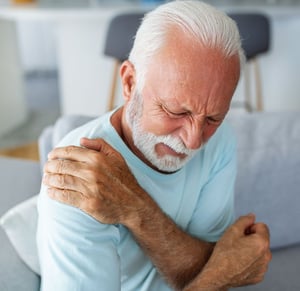
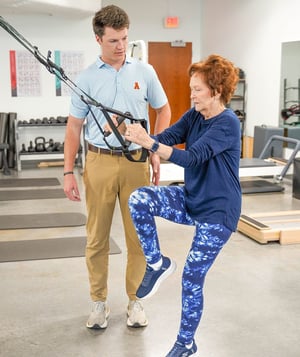
Age-related changes in the vestibular system, vision, proprioception, and muscle strength impair balance and coordination. This decline increases fall risk, which becomes a leading cause of injury, hospitalization, and loss of independence in older adults. Falls and fall-related injuries create a cascade of negative health outcomes that accelerate functional decline.
The heart and blood vessels undergo structural changes with age, including decreased maximum heart rate, reduced cardiac output, and stiffening of arterial walls. These changes limit cardiovascular capacity and exercise tolerance while increasing blood pressure and heart disease risk. Maintaining cardiovascular fitness becomes increasingly important yet more challenging as we age.

Basal metabolic rate decreases with age due to muscle loss and hormonal changes, making weight management more difficult. Many older adults experience unwanted weight gain despite eating less, while others face unintentional weight loss and frailty. These metabolic changes affect energy levels, chronic disease risk, and overall vitality.
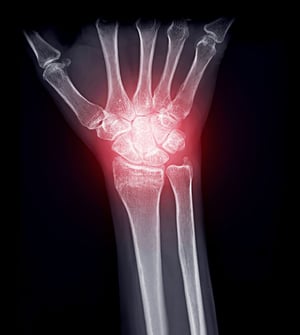
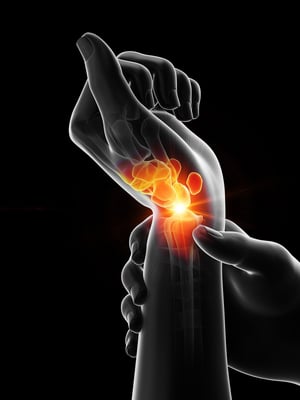
Wear and tear on joints over decades leads to cartilage breakdown, inflammation, and osteoarthritis in weight-bearing joints like knees, hips, and spine. Joint pain and stiffness limit mobility and physical activity, creating a cycle where reduced movement accelerates further decline. Managing joint health becomes critical for maintaining active lifestyles and independence.
Signs and Symptoms of Age-Related Decline
Difficulty performing tasks that were previously easy, such as climbing stairs, carrying groceries, opening jars, or getting up from low chairs, indicating loss of functional capacity and muscle strength.
Feeling tired more quickly during daily activities or requiring more rest between tasks, reflecting reduced cardiovascular fitness, muscle efficiency, or metabolic changes affecting energy production.
Feeling unsteady when standing, difficulty walking on uneven surfaces, or experiencing near-falls or actual falls, signaling impaired balance systems and increased injury vulnerability.
Stiffness and tightness limiting your ability to reach overhead, bend down, twist, or perform activities requiring full body movement, affecting independence in self-care tasks.
Persistent discomfort in joints, back, or muscles that interferes with daily activities, exercise, or sleep, often related to arthritis, degenerative changes, or previous injuries.
Taking longer to bounce back from common illnesses, surgeries, or minor injuries compared to earlier in life, reflecting reduced healing capacity and physiological resilience.
The Early Intervention Advantage
Starting proactive aging interventions earlier in life and at the first signs of functional decline leads to better outcomes than delayed action. Physical activity and exercise interventions significantly improve physical function, reduce disability, and enhance quality of life in older adults. Early intervention prevents minor declines from progressing to significant disability, maintains independence longer, and helps adults avoid costly medical interventions while optimizing both lifespan and health span.
Risk Factors for Accelerated Aging and Reduced Longevity
Physical Inactivity: Sedentary lifestyle represents the single most significant modifiable risk factor for accelerated aging, contributing to muscle loss, bone density decline, cardiovascular disease, metabolic disorders, and premature death across all age groups.
Poor Nutrition: Inadequate protein intake, vitamin and mineral deficiencies, excessive processed food consumption, and poor dietary quality accelerate cellular aging, increase chronic disease risk, and impair the body's ability to maintain and repair tissues.
Chronic Disease: Existing conditions like diabetes, heart disease, hypertension, and obesity create physiological stress that accelerates aging processes, increases disability risk, and reduces both lifespan and healthspan without proper management.
Social Isolation: Lack of meaningful social connections and community engagement increases mortality risk comparably to smoking, while also contributing to cognitive decline, depression, and reduced motivation for self-care and healthy behaviors.
Chronic Stress: Prolonged psychological stress accelerates cellular aging through inflammatory pathways and hormonal dysregulation, while also promoting unhealthy coping behaviors like poor sleep, overeating, and reduced physical activity.
Smoking and Excessive Alcohol: Tobacco use and heavy alcohol consumption damage virtually every organ system, accelerate cellular aging, increase chronic disease risk, and significantly reduce both lifespan and quality of life in later years.
Sleep Disorders: Poor sleep quality, insufficient sleep duration, and untreated sleep apnea disrupt critical repair processes, increase inflammation, impair cognitive function, and accelerate virtually every aspect of biological aging.
Genetic Factors: Family history of certain diseases, genetic variations affecting metabolism and cellular repair, and inherited conditions influence aging trajectory, though lifestyle factors can significantly modify genetic predispositions for most age-related conditions.
When to See a Doctor Immediately
Most age-related changes develop gradually, but certain symptoms require urgent medical attention.
Seek immediate care if you experience:
Experiencing multiple falls within a short period, particularly with injuries or inability to get up independently, requires medical assessment to identify reversible causes and prevent serious injury.
How Long Does Functional Improvement Take?
- Initial Function
- Significant Function
- Long-Term
- Chronic
Initial Functional Gains (4-8 Weeks)
Significant Functional Enhancement
(2-3 Months)
Long-Term Health Optimization
(6-12 Months)
Chronic Condition Management (Ongoing)
Aging and Longevity Intervention Options
|
Treatment Option |
Pros |
Cons |
|
Physical Therapy and Exercise Programs |
• Targets multiple systems • Boosts strength & balance • Prevents falls • Reduces disease risk |
• Needs time commitment • Requires consistency • May need equipment • Can cause soreness |
|
Resistance Training |
• Fights muscle loss • Strengthens bones • Manages weight • Increases independence |
• Needs proper form • May intimidate beginners • Requires progression • Equipment helpful |
|
Cardiovascular Exercise |
• Protects heart health • Boosts energy levels • Supports metabolism • Enhances mood & mind |
• Needs regular practice • Joint limits possible • Intensity matters • May need modifications |
|
Nutritional Counseling |
• Improves metabolic health • Maintains muscle & bone • Increases energy • Tailored to your needs |
• Requires habit change • Takes prep time • Challenging on budget • Gradual benefits |
|
Balance and Fall Prevention Programs |
• Reduces fall risk • Builds confidence • Improves coordination • Medicare may cover |
• Needs consistency • Takes several weeks • Scheduling limits • Individual results vary |
|
Medication Management |
• Controls chronic disease • Prevents complications • Extends healthspan • Condition-specific care |
• Ignores lifestyle • Possible side effects • Can be costly • Not a complete solution |
The Bottom Line
- Multi-component interventions are essential for healthy aging and longevity. Physical activity significantly reduces mortality risk in older adults, especially those with chronic conditions.
- Many health issues affecting seniors are influenced by modifiable lifestyle factors like exercise, nutrition, and avoiding tobacco and alcohol.
- Programs combining strength, balance, flexibility, and cardiovascular exercises are more effective than single-component approaches. Early adoption and consistency are crucial for maintaining health and quality of life with age.
- With the aging population growing rapidly, proactive interventions are vital for both public health and individual well-being.
How to Get Started with Longevity-Focused Treatment
(if required)
Take The Next Step
Reach out to a referral specialist for more information about programs, insurance, or to request an appointment.Frequently Asked Questions
It's never too late to begin exercising safely and effectively with appropriate guidance and modifications.
Weekly moderate-intensity cardio for 150 minutes along with twice-weekly strength training, scaled to your fitness level.
Yes. Multi-component programs addressing strength, balance, and mobility significantly reduce fall risk through personalized interventions.
Exercise benefits most chronic conditions, including arthritis, diabetes, and heart disease, when coordinated with medical management.
-
[1] Administration for Community Living. (2023). 2023 Profile of Older Americans. U.S. Department of Health and Human Services. Retrieved from https://acl.gov/sites/default/files/Profile%20of%20OA/ACL_ProfileOlderAmericans2023_508.pdf
-
[2] Martinez-Gomez, D., Guallar-Castillon, P., Garcia-Esquinas, E., Bandinelli, S., & Rodriguez-Artalejo, F. (2017). Physical activity and the effect of multimorbidity on all-cause mortality in older adults. Mayo Clinic Proceedings, 92(3), 376-382. Retrieved from https://pubmed.ncbi.nlm.nih.gov/28160946/
-
[3] Watson, K. B., Wiltz, J. L., Nhim, K., Kaufmann, R. B., Thomas, C. W., & Greenlund, K. J. (2025). Trends in multiple chronic conditions among US adults, by life stage, Behavioral Risk Factor Surveillance System, 2013–2023. Preventing Chronic Disease, 22, 240539. Retrieved from https://www.cdc.gov/pcd/issues/2025/24_0539.htm
