

Key Takeaways
- Shoulder pain affects up to two-thirds of people at some point in their lifetime[1]
- Physical therapy is the first-line treatment for most shoulder pain conditions
- Exercise-based rehabilitation significantly improves pain and function in shoulder disorders
- Many rehabilitation programs for non-surgical shoulder pain are structured around 12 weeks of progressive exercise
Living with shoulder pain doesn't mean giving up the activities you enjoy. Discover evidence-based treatment options that can help you return to pain-free movement through comprehensive rehabilitation, with or without surgery.
Shoulder Pain Explained
Shoulder pain involves discomfort from the joint or surrounding muscles, ligaments, and tendons. The shoulder is your body's most mobile joint, consisting of the ball-and-socket joint, acromioclavicular joint, and rotator cuff muscles. This mobility makes it vulnerable to injury. Pain ranges from dull aches to sharp discomfort limiting reaching, lifting, or sleeping. Common conditions include rotator cuff disorders, impingement syndrome, frozen shoulder, and arthritis.
The rotator cuff stabilizes the shoulder but is susceptible to injury from constant arm movement control. Prolonged computer work, weekend athletic patterns, and age-related degeneration contribute to shoulder problems. Unlike many joints, shoulder pain rarely resolves without intervention, making early treatment essential.
By The Numbers
Common Causes of Shoulder Pain
Understanding what causes shoulder pain helps you make informed decisions about treatment and prevention. While some pain develops gradually, other cases stem from specific incidents.


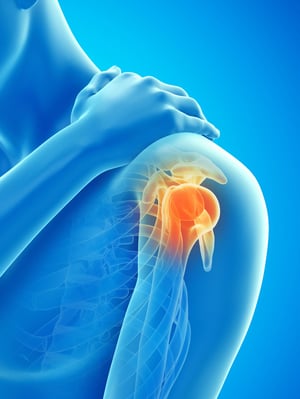
Progressive stiffening and pain in the shoulder joint develop when the joint capsule thickens and tightens. This condition causes severe restriction in passive and active movement.

These can occur from acute injury or chronic degeneration. Complete tears typically cause significant weakness, difficulty raising the arm, and night pain. Partial tears may present with similar symptoms to tendinopathy, but with more persistent pain and functional limitations.
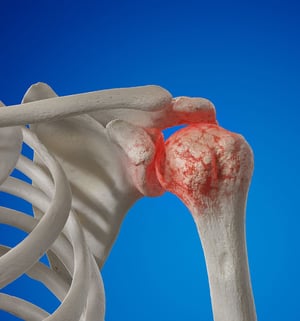
Degenerative wear and tear of the shoulder joint cartilage leads to bone-on-bone contact, causing deep aching pain, stiffness, grinding sensations, and progressive loss of motion. This condition most commonly affects the glenohumeral or acromioclavicular joints.
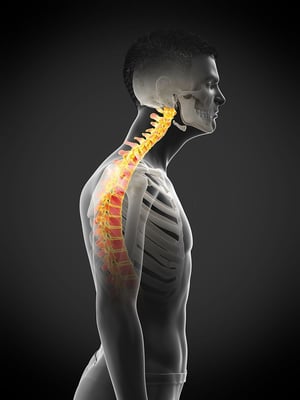
Forward head posture, rounded shoulders, and weak scapular stabilizers alter shoulder mechanics and place excessive stress on the rotator cuff. Office workers and individuals with sedentary lifestyles face increased risk from these postural dysfunctions that develop gradually over the years.
Symptoms of Shoulder Pain
Sharp or aching discomfort when reaching above shoulder height, such as placing items on shelves, washing hair, or throwing objects.
Difficulty sleeping on the affected shoulder with deep, aching pain that often wakes individuals from sleep, particularly when lying on the involved side.
Reduced strength when lifting or carrying objects, with the shoulder tiring quickly during repetitive activities or sustained positioning.
Inability to fully raise the arm, reach behind the back, or rotate the shoulder through regular movements without pain or restriction.
Tightness in the shoulder joint, especially noticeable first thing in the morning or after periods of inactivity.
Audible or palpable sensations during shoulder movement, often accompanied by discomfort or a feeling that something is not moving smoothly.
The Early Intervention Advantage
Early physical therapy helps prevent chronic pain development, reduces the need for surgical intervention, and optimizes outcomes for those who do require surgery. Starting rehabilitation within the first few weeks of symptom onset leads to faster recovery and better long-term function compared to delayed treatment.
Risk Factors for Developing Shoulder Pain
Age: Individuals over 40 face a significantly increased risk due to age-related degeneration of rotator cuff tendons and the development of conditions like adhesive capsulitis and osteoarthritis.
Occupation: Jobs requiring repetitive overhead work (painters, electricians, construction workers) or prolonged computer use with poor ergonomics dramatically increase the risk of shoulder pain.
Sports Participation: Athletes in swimming, baseball, tennis, volleyball, and weightlifting place high demands on shoulder structures through repetitive overhead movements and loading.
Previous Shoulder Injury: Prior shoulder trauma or inadequately treated shoulder pain increases vulnerability to recurrent problems and chronic conditions.
Diabetes: Individuals with diabetes are 5 times more likely to develop adhesive capsulitis compared to those without diabetes, with 10-20% of people with diabetes developing frozen shoulder[5].
Poor Posture: Forward head posture, rounded shoulders, and weak core musculature alter shoulder blade positioning and contribute to impingement and rotator cuff dysfunction.
Inadequate Strength and Flexibility: Weakness in rotator cuff muscles, scapular stabilizers, and posterior shoulder structures, combined with tightness in anterior chest muscles, creates muscle imbalances that predispose to injury.
Smoking: Tobacco use impairs blood flow to rotator cuff tendons, delays healing, and increases the risk of tendon tears.
When to See a Doctor Immediately
If you suspect a significant shoulder problem, prompt medical evaluation is essential for proper diagnosis and treatment planning. Specific symptoms require urgent medical attention.
Seek immediate care if you experience:
How Long Does Shoulder Recovery Last?
- Non-Surgical
- Post-Surgical
- Adhesive Capsulitis
- Full Funciton
Non-Surgical Rehabilitation (Tendinopathy, Impingement, Mild Tears)
Post-Surgical Recovery (Rotator Cuff Repair, Labral Repair)
Adhesive Capsulitis (Frozen Shoulder) Recovery
Return to Full Function (Activity-Specific Goals)
Shoulder Pain Treatment Options
|
Treatment Option |
Pros |
Cons |
|
Physical Therapy |
• Fixes root mechanics • Builds strength/stability • Resolves without surgery |
• Needs months commitment • Home exercises essential • May not restore severe tears |
|
Corticosteroid Injections |
• Rapid pain relief • Reduces inflammation • Enables PT participation • Outpatient, minimal risk |
• Temporary relief • Doesn't fix dysfunction • May weaken tendons • Adjunct to exercise only |
|
Surgery (Rotator Cuff Repair, Decompression) |
• Repairs structural damage • Returns to high demand • Prevents deterioration • High success rates |
• 4-6 months recovery • Surgical risks • Needs extensive rehab • Not always necessary |
|
Manual Therapy |
• Improves mobility • Reduces pain with exercise • Addresses restrictions • Enhances exercise therapy |
• Less effective alone • Needs skilled practitioner • Benefits temporary alone • Multiple sessions needed |
|
Activity Modification Only |
• Avoids treatment costs • No medical intervention • Works for mild cases |
• Pain often returns • Progressive weakness likely • Rarely fully resolves |
|
Exercise-Based Prevention Programs |
• Reduces injury risk • Improves performance • Addresses imbalances • Cost-effective long-term |
• Needs ongoing commitment • Time investment 20-30 min • Can't prevent all injuries • Functional limits persist |
The Bottom Line
- Clinical guidelines emphasize that exercise therapy should be the first-line treatment for most shoulder pain conditions.
- Exercise therapy as first-line treatment improves pain, mobility, and function in patients with shoulder pain.
- Manual therapy combined with exercise may provide additional short-term benefits for pain reduction and improved function compared to exercise alone.
- Corticosteroid injections provide short-term benefit but should be considered adjunctive therapy to exercise-based rehabilitation.
Get Started with Physical Therapy
Take The Next Step
Reach out to a referral specialist for more information about programs, insurance, or to request an appointment.Frequently Asked Questions
Most patients attend formal physical therapy 2-3 times weekly for 3-6 months, with home exercises continuing throughout. The recovery timeline depends on the condition's severity and the consistency of treatment.
Some mild cases improve with rest, but shoulder pain frequently lingers, with 40–50% of people still reporting symptoms at 12 months[3]. Physical therapy significantly improves outcomes and prevents long-term problems.
Most shoulder pain responds well to conservative treatment. Surgery is typically reserved for complete rotator cuff tears, severe structural damage, or cases that don't improve with rehabilitation.
Your physical therapist will prescribe specific exercises based on your condition. These typically include rotator cuff strengthening, scapular stabilization, range-of-motion work, and postural corrections.
- Luime, J. J., Koes, B. W., Hendriksen, I. J., Burdorf, A., Verhagen, A. P., Miedema, H. S., & Verhaar, J. A. (2004). Prevalence and incidence of shoulder pain in the general population; a systematic review. Scandinavian Journal of Rheumatology, 33(2), 73-81. Retrieved from https://pubmed.ncbi.nlm.nih.gov/15163107/
- Littlewood, C., Ashton, J., Chance-Larsen, K., May, S., & Sturrock, B. (2020). An Update of Systematic Reviews Examining the Effectiveness of Conservative Physical Therapy Interventions for Subacromial Shoulder Pain. Journal of Orthopaedic & Sports Physical Therapy, 50(3), 131-141. Retrieved from https://www.jospt.org/doi/10.2519/jospt.2020.8498
- Orthopedic & Sports Medicine Center of Oregon. (2020). About Back/Spine, Neck, and Shoulder Pain - The Statistics. Retrieved from https://orthosportsmed.com/about-back-spine-neck-and-shoulder-pain-the-statistics/
- Burbank, K. M., Stevenson, J. H., Czarnecki, G. R., & Dorfman, J. (2008). Chronic shoulder pain: Part I. Evaluation and diagnosis. American Family Physician, 77(4), 453-460. Retrieved from https://www.aafp.org/pubs/afp/issues/2008/0215/p453.html
- Zreik, N. H., Malik, R. A., & Charalambous, C. P. (2016). Adhesive capsulitis of the shoulder and diabetes: a meta-analysis of prevalence. Retrieved from https://www.ncbi.nlm.nih.gov/pmc/articles/PMC4915459/
- Pieters, L., Lewis, J., Kuppens, K., Jochems, J., Bruijstens, T., Joossens, L., & Struyf, F. (2020). An Update of Systematic Reviews Examining the Effectiveness of Conservative Physical Therapy Interventions for Subacromial Shoulder Pain. The Journal of orthopaedic and sports physical therapy, 50(3), 131–141. Retrieved from https://pubmed.ncbi.nlm.nih.gov/31726927/