

Key Takeaways
- Hip pain typically develops from chronic stress, overuse, or degenerative changes rather than acute injuries, affecting mobility and daily activities significantly.
- Early physical therapy intervention produces superior outcomes, preventing compensatory movement patterns and reducing reliance on medications or invasive treatments.
- Hip pain often results from modifiable factors like muscle weakness and poor movement patterns, making physical therapy effective at addressing root causes.
- Exercise programs that build strength and flexibility reduce pain and improve function in hip arthritis, with benefits lasting several months after treatment.
Living with hip pain doesn't mean giving up the activities you enjoy. Learn about evidence-based treatment approaches that can help you regain mobility, reduce discomfort, and return to an active lifestyle through targeted rehabilitation.
Hip Pain Explained
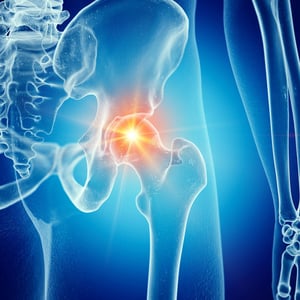
Hip pain involves discomfort in the joint connecting your thigh bone to your pelvis. Pain occurs when surrounding structures like ligaments, muscles, cartilage, or bursae become damaged or inflamed. Pain can present as a dull groin ache or sharp discomfort in the outer hip, buttock, or thigh. Symptoms may develop suddenly from injury or gradually from overuse and arthritis.
Your hip bears significant weight during everyday activities, making it vulnerable to problems. Prolonged sitting, inactivity, repetitive movements, and age-related changes contribute to hip issues. While many cases respond well to conservative treatment, ignoring symptoms can lead to compensatory patterns and progressive damage that impacts mobility and quality of life.
By The Numbers
Common Causes of Hip Pain
Understanding what causes hip pain empowers you to make better decisions about treatment and prevention. While some cases result from acute injuries, most develop from chronic stress, overuse, or degenerative changes.
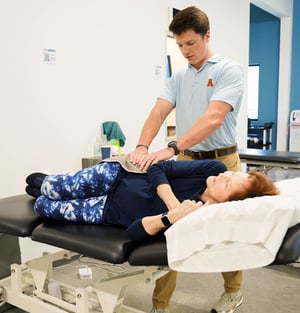

Overusing or suddenly stressing hip muscles and tendons causes strains that create pain during movement. Hip flexor strains from running or kicking, gluteal strains from overtraining, and tendinitis from repetitive activities cause localized pain that may worsen with specific movements or stretches.
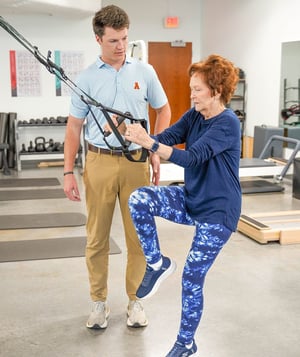
The labrum is a ring of cartilage around the hip socket that provides stability and cushioning. Tears can result from sports injuries, structural abnormalities, or repetitive twisting movements. People often describe a catching sensation, clicking, or locking in the hip, along with groin pain that worsens with prolonged sitting or pivoting movements.
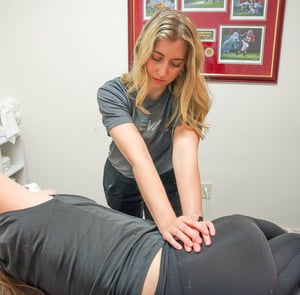
Abnormal contact between the ball and socket of the hip joint causes damage to the labrum and cartilage. This condition, common in young, active adults, causes groin pain during hip-flexion activities such as sitting, squatting, or climbing stairs. Left untreated, hip impingement can lead to early arthritis.
A broader term encompassing bursitis and gluteal tendon problems, this condition causes pain on the outer hip that may radiate down the thigh. Women over 40 are particularly susceptible, with pain often worsening at night, making side-sleeping difficult and affecting daily activities like walking or stair climbing.
Symptoms of Hip Pain
Deep, aching discomfort in the front of the hip or groin area that often indicates problems within the hip joint itself, typically worsening with weight-bearing activities and hip flexion movements.
Discomfort along the side of the hip and upper thigh, often related to bursitis or tendon issues, frequently described as burning or sharp pain that intensifies when lying on the affected side.
Limited hip movement, particularly noticeable in the morning or after prolonged sitting, making it difficult to put on shoes, clip toenails, or get in and out of cars.
Audible or felt clicking, snapping, or popping in the hip during movement, sometimes painful, often indicating labral tears, tendon snapping, or cartilage problems.
Altered walking pattern to avoid painful hip movements or compensate for weakness, often developing gradually as the body unconsciously protects the affected hip.
Increased pain or weakness when climbing up or down stairs, requiring the use of handrails or leading with the unaffected leg to manage discomfort.
The Early Intervention Advantage
Beginning physical therapy early for hip pain produces superior outcomes compared to delayed treatment. Research demonstrates that exercise therapy significantly reduces pain and improves function in patients with hip osteoarthritis[2]. Early intervention prevents compensatory movement patterns that stress other joints, reduces reliance on pain medications, maintains hip strength and mobility, and helps patients return to valued activities faster while avoiding more invasive and costly treatments.
Risk Factors for Developing Hip Pain
Age: Hip pain becomes more prevalent with advancing age, particularly after 50, as cartilage naturally degenerates, bone density decreases, and years of wear-and-tear accumulate in the joint.
Obesity: Excess body weight places additional stress on hip joints during everyday activities, accelerating cartilage breakdown and increasing the risk of osteoarthritis. Each pound of body weight generates approximately 3 pounds of force at the hip during walking.
High-Impact Sports Participation: Running, soccer, football, hockey, and other sports involving repetitive impact, pivoting, or cutting movements increase the risk of hip injuries, labral tears, and early-onset arthritis.
Previous Hip Injury: A history of hip fractures, dislocations, labral tears, or significant strains increases the risk of chronic hip pain and accelerates degenerative changes in the joint.
Anatomical Abnormalities: Structural variations like hip dysplasia, leg-length discrepancies, or femoral abnormalities alter hip mechanics and create uneven stress distribution, predisposing individuals to pain and early arthritis.
Sedentary Lifestyle: Prolonged sitting weakens hip muscles, tightens hip flexors, and reduces joint mobility, creating imbalances that increase injury risk and contribute to chronic pain when activity levels suddenly increase.
Repetitive Occupational Stress: Jobs requiring prolonged standing, frequent squatting, heavy lifting, or repetitive hip movements place cumulative stress on hip structures, increasing the risk of overuse injuries and degenerative conditions.
Inflammatory Conditions: Rheumatoid arthritis, lupus, and other inflammatory diseases cause joint inflammation that damages hip cartilage and surrounding structures, leading to chronic pain and progressive joint deterioration.
When to See a Doctor Immediately
Most hip pain improves with conservative treatment and self-care. However, certain symptoms require prompt medical evaluation.
Seek immediate care if you experience:
How Long Does Hip Recovery Last?
- Acute
- Physical Therapy
- Osteoarthritis
- Labral Tear
- Hip Replacement
Acute Hip Strain or Minor Injury (1-3 Weeks)
Physical Therapy for Hip Bursitis or Tendinitis (6-8 Weeks)
Hip Osteoarthritis Management
(8-12 Weeks)
Hip Labral Tear Rehabilitation (3-4 Months)
Post-Hip Replacement Surgery
(4-6 Months)
Hip Pain Treatment Options
|
Treatment Option |
Pros |
Cons |
|
Physical Therapy |
• Fixes mechanical problems • Strengthens muscles • Improves long-term function • Teaches self-management |
• Needs time commitment • Demands active participation • Progress feels gradual • Multiple weekly sessions |
|
Medication (NSAIDs, Pain Relievers) |
• Temporary pain relief • Reduces inflammation • Available over-counter • Manages acute pain |
• Masks symptoms only • Doesn't fix root cause • GI side effects • Not for long-term use |
|
Corticosteroid Injections |
• Months of relief • Reduces joint inflammation • Improves function briefly • Diagnostic value |
• Effects temporary • Limited injection count • Complications with repeats • Doesn't stop disease |
|
Weight Management |
• Reduces joint stress • Slows arthritis • Improves overall health • Enhances treatment |
• Needs lifestyle changes • Results take time • Challenging alone • May need diet support |
|
Assistive Devices (Canes, Walkers) |
• Reduces joint loading • Improves balance/safety • Maintains activity levels • Useful in acute pain |
• Doesn't treat condition • May weaken muscles • Needs proper fitting • Can be cumbersome |
|
Surgery (Hip Replacement, Arthroscopy) |
• Needed for advanced cases • Relieves mechanical issues • Restores function • High success rates |
• Serious surgical risks • Extended recovery • Last resort option • Complication risk |
The Bottom Line
- Evidence-based guidelines recommend conservative management as the initial approach for most hip pain. Exercise programs building strength and flexibility help reduce pain and improve movement in hip arthritis.
- Hip pain often results from modifiable factors like muscle weakness, poor movement patterns, and reduced flexibility, making physical therapy effective at addressing root causes rather than treating symptoms.
- Comprehensive rehabilitation combining manual therapy, therapeutic exercise, patient education, and activity modification demonstrates superior outcomes compared to passive treatments or medication alone for lasting relief.
- Early physical therapy intervention prevents progression to chronic pain, maintains hip joint health, and provides patients with strategies for managing symptoms and preventing long-term recurrence.
Get Started with Physical Therapy
Take The Next Step
Reach out to a referral specialist for more information about programs, insurance, or to request an appointment.Frequently Asked Questions
Most patients attend 1-3 sessions weekly for 6-12 weeks, depending on their condition. Many notice improvements within the first month of consistent treatment and exercise.
Minor hip strains may improve with rest. However, most hip conditions require treatment to address underlying causes, restore proper mechanics, and prevent worsening symptoms.
Most hip pain responds to conservative treatment. Surgery is typically considered only for severe arthritis or structural problems that don't improve after exhausting non-surgical options.
Your therapist will prescribe exercises specific to your diagnosis. These typically include hip strengthening exercises, stretches for tight muscles, core stabilization work, and functional movement training.
- Christmas, C., Crespo, C. J., Franckowiak, S. C., Bathon, J. M., Bartlett, S. J., & Andersen, R. E. (2002). How common is hip pain among older adults? Results from the Third National Health and Nutrition Examination Survey. The Journal of Family Practice, 51(4), 345-348. Retrieved from https://www.mdedge.com/familymedicine/article/60006/pain/how-common-hip-pain-among-older-adults
- Fransen, M., McConnell, S., Harmer, A. R., Van der Esch, M., Simic, M., & Bennell, K. L. (2015). Exercise for osteoarthritis of the hip. Cochrane Database of Systematic Reviews, 4(4), CD007912. Retrieved from https://www.cochranelibrary.com/cdsr/doi/10.1002/14651858.CD007912.pub2/full
- Zhang, Y., & Jordan, J. M. (2010). Epidemiology of Osteoarthritis. Clinics in Geriatric Medicine, 26(3), 355-369. Retrieved from https://www.ncbi.nlm.nih.gov/pmc/articles/PMC2920533/