
Key Takeaways
- Most pelvic pain stems from muscle tension or dysfunction rather than organ pathology and responds well to conservative therapy.
- Early intervention prevents acute pain from becoming chronic and reduces nervous system sensitization that amplifies pain signals over time.
- Pregnancy, childbirth, surgery, and stress create dysfunction through trauma, scar tissue, and guarding patterns that persist without rehabilitation.
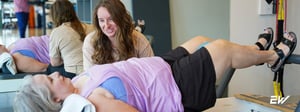
- Pelvic floor therapy addresses muscle dysfunction through manual techniques and coordination retraining rather than just masking symptoms temporarily.
Pelvic Pain Explained
Pelvic pain involves discomfort in the area below your belly button and between your hip bones. This region contains the pelvic floor muscles, reproductive organs, bladder, bowel, and connective tissues. The pelvic floor supports your organs, controls continence, stabilizes your core, and aids sexual function. Pain can feel like aching, stabbing, burning, or pressure worsening with sitting, standing, or sexual activity, developing suddenly or gradually from muscle tension and strain.
Most pelvic pain is musculoskeletal, resulting from pelvic floor muscle dysfunction rather than organ pathology. This type responds well to pelvic floor physical therapy, targeted exercises, and behavioral modifications. Most people find substantial relief through appropriate care and evidence-based rehabilitation strategies.
By The Numbers
What Causes Pelvic Pain?
Pelvic pain can develop from many different sources. Understanding the common causes can help you identify potential triggers and work with your healthcare provider to address them effectively.

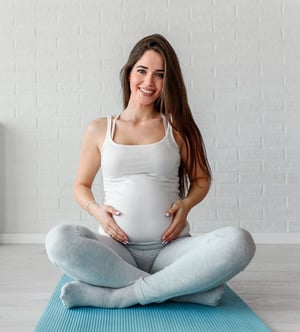

Surgical procedures, including C-sections, hysterectomies, bladder repairs, or abdominal surgeries, create scar tissue and adhesions that restrict normal tissue mobility. These adhesions can tether organs, compress nerves, and alter the biomechanics of the pelvic floor, resulting in persistent pain, reduced function, and compensatory movement patterns that perpetuate discomfort.
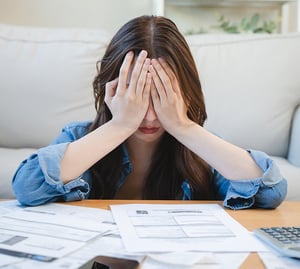
Psychological stress, anxiety, and emotional trauma manifest physically as chronic muscle tension throughout the body, particularly in the pelvic floor. People unconsciously clench or guard their pelvic muscles during stress, creating persistent tightness, trigger points, and pain that becomes self-perpetuating as the pain itself generates more stress and guarding.

Forward head posture, rounded shoulders, excessive lumbar curve, and anterior pelvic tilt alter the position and function of pelvic floor muscles. These postural changes create length-tension imbalances, in which some muscles become chronically shortened and overactive. In contrast, others become underactive, contributing to pain, urinary urgency or frequency, and a higher risk of injury.
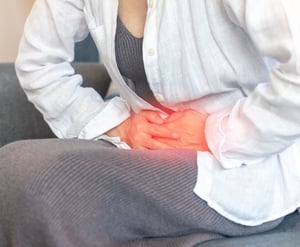
While these conditions originate from organ pathology rather than muscle dysfunction, the persistent inflammation and pain they generate cause secondary pelvic floor muscle guarding, tension, and dysfunction. Even after the underlying condition is treated medically, the muscular component often remains and requires specific rehabilitation to resolve fully.
Symptoms of Pelvic Pain
Constant or intermittent sensation of heaviness, fullness, or dull pain deep in the pelvis that may worsen as the day progresses, after prolonged standing, or during menstruation.
Discomfort, burning, or sharp pain when sitting on hard surfaces or for extended periods, often described as sitting on a golf ball or feeling bruised, making desk work or driving challenging.
Discomfort or sharp pain during intercourse, with insertion, or afterwards that may persist for hours, often accompanied by muscle spasm or burning sensations in the vaginal or rectal area.
Feeling like you need to urinate frequently even when your bladder is not completely full, experiencing sudden, strong urges to urinate, or pain and burning during urination without evidence of infection.
Sharp pain, pressure, or spasm during or after bowel movements, sometimes accompanied by difficulty fully emptying, a feeling of rectal fullness, or pain radiating into the lower back or buttocks.
Tenderness, aching, or sharp pain at the base of your spine that worsens with sitting, transitioning from sitting to standing, or pressure on the area, interfering with sitting comfortably.
The Early Intervention Advantage
Starting physical therapy early for pelvic pain leads to better outcomes than delayed treatment. Early intervention prevents acute pain from becoming chronic, reduces the risk of central sensitization, where the nervous system amplifies pain signals, and helps people return to normal activities faster while avoiding prolonged periods of pain-related fear and avoidance behaviors that can lead to depression, relationship difficulties, and decreased quality of life.
Risk Factors for Developing Pelvic Pain
Pregnancy and Vaginal Delivery: Physical changes during pregnancy, including weight gain, hormonal effects on tissue elasticity, and positioning of the baby, combined with tissue trauma during vaginal birth, create lasting pelvic floor dysfunction, tearing, and pain if not properly rehabilitated postpartum.
History of Sexual or Physical Trauma: Past traumatic experiences create protective muscle guarding patterns, chronic tension, and heightened nervous system sensitivity in the pelvic region that persist long after the initial trauma, contributing to ongoing pain and difficulty with relaxation.
Chronic Constipation or Straining: Repeated excessive bearing down and straining during bowel movements places significant stress on pelvic floor muscles and connective tissues, leading to prolapse, painful hemorrhoids, and chronic muscle tension from compensatory patterns.
High-Impact Athletics: Runners, gymnasts, dancers, and athletes in jumping or landing sports place repetitive high forces through the pelvic floor, potentially exceeding tissue capacity and leading to loss of control, prolapse symptoms, or pain, especially without proper core and pelvic floor conditioning.
Chronic Anxiety or Stress: Persistent psychological stress manifests as chronic muscle tension throughout the body, particularly in the pelvic floor, where unconscious clenching and guarding become habitual, creating trigger points, restricted blood flow, and persistent pain.
Prolonged Sitting Occupations: Jobs requiring extended sitting, such as office work, driving, or sedentary roles, place sustained pressure on pelvic structures, reduce blood flow, and promote muscle weakness and tension, contributing to pain and dysfunction over time.
Previous Pelvic or Abdominal Surgery: Surgical procedures create scar tissue, adhesions, and altered anatomy that restrict normal tissue mobility, compress nerves, and change biomechanics, leading to chronic pain, organ dysfunction, and compensatory movement patterns.
Repetitive Heavy Lifting: Occupations or activities requiring frequent lifting with improper breathing patterns or inadequate pelvic floor coordination place excessive downward pressure on pelvic structures, potentially causing prolapse, chronic strain, or pain in supporting muscles.
When to See a Doctor Immediately
In most cases of pelvic pain, conservative treatment improves symptoms. However, specific symptoms require urgent medical attention.
Seek immediate care if you experience:
How Long Does Pelvic Pain Recovery Last?
- Mild
- Moderate
- Postpartum
- Chronic
Mild Pelvic Floor Tension (6-8 Weeks)
Moderate Pelvic Floor Dysfunction (8-12 Weeks)
Postpartum Pelvic Pain (12-16 Weeks)
Chronic Pelvic Pain Syndrome (4-6 Months)
Pelvic Pain Treatment Options
|
Treatment Option |
Pros |
Cons |
|
Physical Therapy |
• Fixes muscle dysfunction • Restores pelvic coordination • Personalized hands-on care • Provides education |
• Needs active participation • Multiple weekly sessions • Internal exam discomfort • Requires patience |
|
Medication (NSAIDs, Muscle Relaxants) |
• Reduces inflammation • Temporary pain relief • Relaxes tense muscles • Available by prescription |
• Doesn't fix root cause • Temporary relief only • Side effects possible • Not standalone treatment |
|
Pelvic Floor Relaxation Techniques |
• Home practice option • No equipment needed • Reduces tension naturally • Empowers self-management |
• Needs specialist instruction • Challenging initially • Results take time • May not help severe cases |
|
Behavioral and Lifestyle Modifications |
• Addresses lifestyle factors • No cost • Improves overall health • Sustainable long-term |
• Needs commitment • Changes challenging • No immediate relief • Needs combo treatments |
|
Trigger Point Injections |
• Reduces muscle tension • Enables therapy • Minimally invasive • Diagnostic value |
• Effects temporary • Doesn't fix dysfunction • Potential risks • Needs rehab too |
|
Surgery |
• Needed for endometriosis • Fixes structural issues • Improves severe prolapse • Life-changing for some |
• Long recovery time • Surgical risks • May create scar tissue • Most resolve without it |
The Bottom Line
- Pelvic pain affects millions of people and can significantly impact daily activities, relationships, and emotional well-being, making effective treatment essential for quality of life.
- Starting treatment early prevents temporary muscle tension from developing into chronic pain syndromes and teaches proper pelvic floor relaxation and coordination techniques.
- Pelvic floor physical therapy provided by specially trained therapists offers evidence-based treatment addressing the unique anatomical and functional characteristics of the pelvic region.
- Comprehensive rehabilitation builds confidence in your body's ability to function normally, helping you regain comfort and return to activities you enjoy with reduced pain.
Get Started with Physical Therapy
Take The Next Step
Reach out to a referral specialist for more information about programs, insurance, or to request an appointment.Frequently Asked Questions
Most patients attend therapy 1-2 times weekly for 8-12 weeks, depending on severity, with home exercises continuing throughout treatment.
Mild tension may improve with rest and relaxation. However, moderate to severe pain typically requires specialized rehabilitation to restore function.
Most pelvic pain responds to conservative treatment. Surgery is reserved for specific structural problems unresponsive to months of appropriate therapy.
Maintaining pelvic floor coordination, managing stress effectively, proper posture, and lifting mechanics, gradual activity progression, and addressing constipation help prevent recurrence.
- Mathias, S. D., Kuppermann, M., Liberman, R. F., Lipschutz, R. C., & Steege, J. F. (1996). Chronic pelvic pain: Prevalence, health-related quality of life, and economic correlates. Obstetrics and Gynecology, 87(3), 321-327. https://pubmed.ncbi.nlm.nih.gov/8598948/
- Torosis, M., Carey, E., Christensen, K., Kaufman, M. R., Kenton, K., Kotarinos, R., Lai, H. H., Lee, U., Lowder, J. L., Meister, M., Spitznagle, T., Wright, K., & Ackerman, A. L. (2024). A Treatment Algorithm for High-Tone Pelvic Floor Dysfunction. Obstetrics and Gynecology, 143(4), 595-602. https://pubmed.ncbi.nlm.nih.gov/38387036/
- Starzec-Proserpio, M., Frawley, H., Bø, K., & Morin, M. (2025). Effectiveness of nonpharmacological conservative therapies for chronic pelvic pain in women: A systematic review and meta-analysis. American Journal of Obstetrics and Gynecology, 232(1), 42-71. https://pubmed.ncbi.nlm.nih.gov/39142363/
- Gyang, A., Hartman, M., & Lamvu, G. (2013). Musculoskeletal causes of chronic pelvic pain: What a gynecologist should know. Obstetrics & Gynecology, 121(3), 645–650. https://journals.lww.com/greenjournal/abstract/2013/03000/musculoskeletal_causes_of_chronic_pelvic_pain_.21.aspx