

Key Takeaways
- Neck pain affects up to 50% of adults annually in the United States[1]
- Physical therapy is an effective first-line treatment for neck pain
- Individualized therapy combining exercise and manual treatment significantly improves symptoms
- Most patients with acute neck pain experience their most significant improvement within the first 6–12 weeks, although recovery varies depending on severity, type of injury, and individual risk factors[2]
Living with neck pain doesn't mean accepting limitations on your daily activities. Discover evidence-based treatment options that can help you return to pain-free movement and improved quality of life through comprehensive rehabilitation.
Neck Pain Explained
Your cervical spine consists of seven vertebrae, muscles, ligaments, and nerves that support your head and enable movement. Your neck is vulnerable because it supports your head's weight (10-12 pounds) while allowing extensive movement. Prolonged computer and phone use, poor sleeping positions, and stress-related tension contribute to neck problems.
Pain ranges from mild stiffness to severe discomfort limiting head turning. It may be sharp and localized or dull and spreading into the shoulders and arms, developing suddenly from injury or gradually from poor posture and repetitive movements. Most neck pain improves with conservative treatment, but without proper care, symptoms can persist and impact work, sleep, and daily activities.
By The Numbers
Weeks Most patients see greatest neck pain improvement[2]
Common Causes of Neck Pain
Understanding what causes neck pain helps you make informed decisions about treatment and prevention. While some cases result from injuries, most develop from everyday activities and habits.
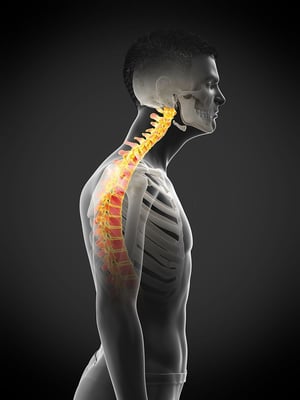


Poor sleep posture or an inappropriate pillow can place your neck in awkward angles for hours each night. This prolonged strain on cervical structures causes morning stiffness and pain. Stomach sleeping particularly stresses the neck by forcing prolonged rotation to one side.

As we age, the discs between vertebrae lose water content and height, while joints develop arthritis. These age-related changes, sometimes called cervical spondylosis, cause stiffness and pain. While ordinary after age 50, not everyone with these changes experiences significant symptoms.

Sudden acceleration-deceleration injuries from car accidents cause whiplash, stretching or tearing neck muscles and ligaments. Sports injuries, falls, and other trauma can also damage neck structures. These injuries often cause immediate pain, but symptoms may not appear for hours or days.
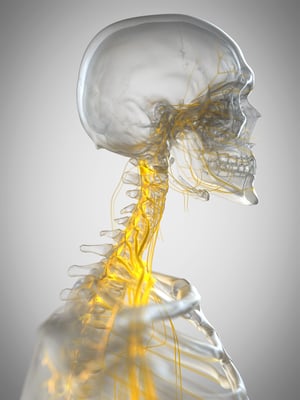
Herniated discs or bone spurs can press on nerve roots exiting the cervical spine, causing sharp pain that radiates down the shoulder and arm. This condition, also called a "pinched nerve," may cause numbness, tingling, or weakness in specific areas of the arm and hand.
Symptoms of Neck Pain
Limited ability to turn your head side to side or look up and down, feeling like your neck is "locked" or tight, particularly noticeable in the morning or after sitting for long periods.
Intense, localized discomfort in one area of the neck that may worsen with specific movements or positions, often described as a "catch" or "knife-like" sensation.
Constant or intermittent generalized discomfort throughout the neck and upper shoulders, typically described as soreness or a persistent ache that fluctuates throughout the day.
Pain traveling from the neck down into one or both shoulders, arms, or hands, sometimes accompanied by numbness, tingling, or weakness in specific areas.
Tension headaches originating from the neck, typically felt at the base of the skull, temples, or behind the eyes, often worsening as the day progresses.
Sudden, involuntary muscle contractions causing temporary severe pain and limited movement, feeling like the neck is "seizing up" or "knotting."
The Early Intervention Advantage
Starting physical therapy early for neck pain leads to better outcomes than delayed treatment. Physical therapy using individualized approaches improves range of motion, reduces pain, enhances physical performance, and decreases disability in patients with neck pain. Early intervention prevents acute pain from becoming chronic, reduces the need for medications, and helps patients return to normal activities faster while avoiding costly interventions.
Risk Factors for Developing Neck Pain
Age: Risk increases with age due to degenerative changes in discs and joints, with most age-related neck problems beginning after age 40 and becoming more common in those over 60.
Occupation: Jobs requiring prolonged sitting, computer use, overhead work, or repetitive neck movements significantly increase risk. Office workers, dentists, hairstylists, and drivers face particularly high rates of neck pain.
Poor Ergonomics: Improper workstation setup, monitor height, chair position, and keyboard placement force sustained awkward neck postures that strain cervical structures throughout the workday.
Previous Neck Injury: History of whiplash, sports injuries, or other neck trauma increases vulnerability to future neck pain episodes and may lead to earlier degenerative changes.
Stress and Mental Health: Chronic stress, anxiety, and depression increase muscle tension in the neck and shoulders while reducing pain tolerance and coping abilities, creating a cycle of persistent pain.
Sedentary Lifestyle: A lack of regular physical activity leads to weak neck and shoulder muscles, reduced flexibility, and poor tolerance for poor posture, making the neck more vulnerable to strain and injury.
Smoking: Tobacco use reduces blood flow to spinal structures, impairs healing, and increases the risk of degenerative disc disease and chronic pain conditions.
Obesity: Excess body weight, particularly in the upper body, places additional stress on neck structures and contributes to poor posture and mechanical strain.
When to See a Doctor Immediately
In most cases of neck pain, conservative treatment improves symptoms. However, specific symptoms require urgent medical attention.
Seek immediate care if you experience:
How Long Does Neck Recovery Take?
- Acute
- Sub-Acute
- Chronic
- Post-Surgical
Acute Neck Pain (Muscle Strain or Minor Injury)
Physical Therapy for Mechanical Neck Pain (4-6 Weeks)
Chronic Neck Pain Management (2-3 Months)
Post-Surgical Rehabilitation (3-6 Months)
Neck Pain Treatment Options
|
Treatment Option |
Pros |
Cons |
|
Physical Therapy |
• Treats root cause • Builds strength/mobility • Long-term strategies |
• Takes time commitment • Needs ongoing compliance • Multiple sessions weekly |
|
Medication (NSAIDs, Muscle Relaxants) |
• Temporary pain relief • Reduces inflammation • Available over-counter • Manages acute pain |
• Masks symptoms only • Doesn't fix root cause • Side effects possible • Not standalone treatment |
|
Chiropractic Manipulation |
• Quick symptom relief • Restores joint mobility • Combines with treatments • High patient satisfaction |
• Effects temporary • Needs repeated visits • Small complication risk • Shouldn't replace PT |
|
Massage Therapy |
• Releases muscle tension • Provides relaxation • Improves blood flow • Complements treatments |
• Temporary benefits • Doesn't build strength • Needs regular sessions • Limited insurance coverage |
|
Cervical Collar or Brace |
• Short-term post-injury • Limits painful movements • Reduces acute spasm • Helps after trauma |
• Weakens muscles over time • Short-term use only • Can increase pain • Doesn't aid recovery |
|
Surgery |
• Condition-specific
• Relieves nerve pressure • Stabilizes segments • Fixes structural issues |
• Serious risks • Long recovery time • Last resort option • No pain guarantee |
The Bottom Line
- Clinical guidelines emphasize conservative treatment for neck pain. Physical therapy improves range of motion, reduces pain, and decreases disability.
- Exercise combining strengthening and stretching provides superior benefits compared to passive interventions or returning to activity without structured rehabilitation.
- Many experience recurrent neck pain, highlighting the importance of addressing underlying causes like weakness and posture rather than just symptoms.
- Early physical therapy prevents acute pain from becoming chronic and provides patients with self-management strategies for long-term success.
How to Get Started with Physical Therapy
Take The Next Step
Reach out to a referral specialist for more information about programs, insurance, or to request an appointment.Frequently Asked Questions
Most patients attend physical therapy 2-3 times weekly for 4-6 weeks, with home exercises continuing throughout. Many people notice improvement within the first few weeks of consistent treatment.
Acute neck pain often improves within days to weeks. However, chronic or recurrent neck pain typically requires treatment to address underlying causes and prevent future episodes.
Most neck pain responds well to conservative treatment. Surgery is typically reserved for specific conditions like severe nerve compression or spinal instability that don't improve with physical therapy.
Your physical therapist will prescribe specific exercises based on your condition. These typically include gentle range-of-motion exercises, chin tucks, scapular strengthening, and progressive neck-stabilization exercises.
- Cohen, S. P. (2015). Epidemiology, diagnosis, and treatment of neck pain. Mayo Clinic Proceedings, 90(2), 284-299. Retrieved from https://www.mayoclinicproceedings.org/article/s0025-6196(14)00833-7/fulltext
- Childs, J. D., Cleland, J. A., Elliott, J. M., Teyhen, D. S., Wainner, R. S., Whitman, J. M., ... & Godges, J. J. (2008). Neck pain: Clinical practice guidelines linked to the International Classification of Functioning, Disability, and Health from the Orthopaedic Section of the American Physical Therapy Association. Journal of Orthopaedic & Sports Physical Therapy, 38(9), A1-A34. Retrieved from https://www.jospt.org/doi/10.2519/jospt.2017.0302
- Physiopedia contributors. (2024, November 22). Epidemiology of Neck Pain. Physiopedia. Retrieved from https://www.physio-pedia.com/Epidemiology_of_Neck_Pain
- Orthopedic & Sports Medicine Center of Oregon. (2020). About Back/Spine, Neck, and Shoulder Pain - The Statistics. Retrieved from https://orthosportsmed.com/about-back-spine-neck-and-shoulder-pain-the-statistics/