

Key Takeaways
- Spine and nerve conditions result from nerve compression, irritation, or damage causing pain from localized discomfort to widespread dysfunction.
- Early physical therapy prevents acute symptoms from becoming chronic pain while maintaining activity levels and providing self-management education.
- Radiculopathy often improves as compression resolves, while peripheral neuropathy requires treating underlying causes and preserving remaining nerve function.
- Conservative treatment including manual therapy, exercise, and nerve mobilization effectively reduces pain and improves function for most nerve conditions.
Living with spine and nerve pain doesn't mean accepting permanent limitations. Evidence-based physical therapy can help you return to improved function through targeted rehabilitation that addresses radiating pain, numbness, tingling, or weakness affecting your daily activities.
Spine and Nerve Conditions Explained
Spine and nerve conditions occur when nerves are compressed, irritated, or damaged, causing pain and other symptoms. The nervous system includes the spinal cord, nerve roots, and peripheral nerves that control sensation and movement. Radiculopathy happens when nerve roots leaving the spine are compressed, causing cervical radiculopathy in the neck and arms or lumbar radiculopathy (sciatica) in the lower back and legs. Peripheral neuropathy affects nerves outside the spinal cord, often in the hands and feet, from causes like diabetes, vitamin deficiencies, or autoimmune disease.
Both conditions can disrupt daily life with symptoms including pain, tingling, burning, numbness, and weakness. Radiculopathy often improves as compression resolves, while peripheral neuropathy requires treating underlying causes. Most spine and nerve conditions respond to conservative care, but untreated symptoms can persist or worsen.
By The Numbers
Common Causes of Spine and Nerve Conditions
Understanding what causes spine and nerve problems helps you make informed decisions about treatment and prevention. These conditions develop from various mechanisms affecting different parts of the nervous system.


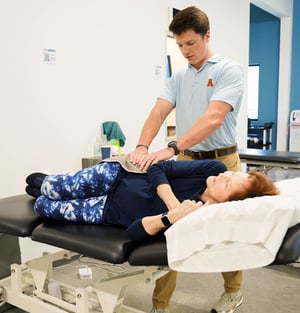
Narrowing of the spinal canal or the openings where nerves exit (foramina) puts pressure on nerve roots. This stenosis typically results from degenerative arthritis, thickened ligaments, or bone spurs that develop with aging. Symptoms often include pain that worsens with standing or walking and improves with sitting or bending forward, sometimes affecting multiple nerve roots simultaneously.

As discs lose height and water content with age, they provide less cushioning between vertebrae. This allows bones to shift closer together, potentially compressing nerve roots. The disc changes also trigger inflammation that can irritate nearby nerves, causing radiating pain and other radicular symptoms throughout the affected nerve distribution.

Certain medications, including some chemotherapy drugs, antibiotics, and medications for HIV, can damage peripheral nerves as a side effect. Alcohol abuse, heavy metal exposure, and industrial chemical contact also cause peripheral neuropathy. The nerve damage may be reversible if the toxic exposure is identified and eliminated early.
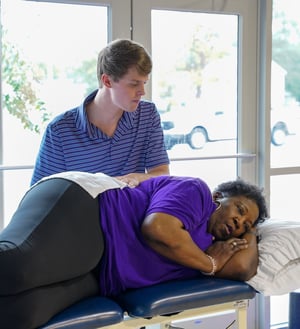
Arthritis of the spine causes bone spurs to form along vertebral edges and facet joints. These bony growths can narrow the spaces where nerves exit, leading to compression and inflammation. Osteophytes commonly develop where discs have degenerated, further reducing available space for nerve roots and potentially affecting multiple levels of the spine.

Viral infections like shingles, Lyme disease, and HIV can directly damage nerves. Autoimmune conditions, including Guillain-Barré syndrome, lupus, and rheumatoid arthritis, cause the immune system to attack peripheral nerves. These conditions require specific medical treatment alongside physical therapy to manage symptoms and prevent progression.

Peripheral nerves can become compressed at various points along their pathway, such as carpal tunnel syndrome in the wrist or tarsal tunnel syndrome in the ankle. Repetitive motions, sustained pressure, swelling, or anatomical variations cause these entrapments, leading to localized symptoms that may mimic other nerve conditions.
Symptoms of Spine and Nerve Conditions
Pain traveling from the spine along nerve pathways into arms or legs, described as electric, shooting, burning, or sharp sensations worsening with movement.
Altered sensation from mild pins-and-needles to complete numbness, following single nerve distributions in radiculopathy or symmetric stocking-glove patterns in peripheral neuropathy.
Constant or intermittent burning sensation, often described as feeling on fire, typically worsening at night and interfering with sleep.
Reduced strength in affected muscles, making gripping objects, lifting the foot, climbing stairs, or standing from sitting positions difficult.
Difficulty maintaining balance when walking or standing with eyes closed due to reduced foot sensation, increasing fall risk during daily activities.
Abnormal pain from normally non-painful stimuli like clothing, light pressure, or temperature changes, indicating altered sensory processing in nerve dysfunction.
The Early Intervention Advantage
Starting physical therapy early for spine and nerve conditions leads to superior outcomes versus delayed treatment. Early rehabilitation prevents acute symptoms from becoming chronic pain, maintains activity levels promoting healing, and provides self-management education, reducing recurrence. For peripheral neuropathy, early intervention preserves nerve function, prevents falls and ulcers, and teaches protective strategies while avoiding unnecessary imaging and costly procedures.
Risk Factors for Developing Spine and Nerve Conditions
Diabetes: Leading cause of peripheral neuropathy. Poor blood sugar control accelerates nerve damage, while better glucose management reduces risk and slows neuropathic symptom progression.
Age: Risk increases with age due to degenerative disc changes, arthritis, and bone spurs. Men experience radiculopathy in their 40s; women in their 50s-60s.
Occupation: Jobs requiring heavy lifting, bending, prolonged sitting, or vibration increase radiculopathy risk. Toxic chemical exposure and repetitive motions elevate peripheral neuropathy.
Alcohol Consumption: Heavy alcohol use damages peripheral nerves directly through toxic effects and indirectly via nutritional deficiencies, particularly thiamine, causing potentially permanent damage.
Vitamin Deficiencies: Inadequate B12, B6, B1, and E levels damage peripheral nerves. Deficiencies stem from poor diet, malabsorption, medications, or unsupplemented vegan diets.
Obesity: Excess weight increases mechanical spine stress, accelerates degeneration, and raises diabetes risk. Additional load promotes disc degeneration, nerve compression, and peripheral neuropathy.
Previous Spine Problems: History of back/neck pain, disc herniations, or spine surgery increases vulnerability to nerve compression through residual weakness and structural changes.
Smoking: Reduces blood flow to nerves, impairs healing, accelerates disc degeneration, and increases inflammation. Smokers experience more severe pain and slower recovery.
Autoimmune Diseases: Rheumatoid arthritis, lupus, Sjögren syndrome, and inflammatory bowel disease increase peripheral neuropathy risk through immune dysfunction, requiring coordinated medical management.
Chemotherapy Treatment: Many cancer treatments damage peripheral nerves, causing chemotherapy-induced neuropathy that may persist after treatment ends, with certain agents carrying a higher risk.
When to See a Doctor Immediately
Most spine and nerve conditions improve with conservative treatment. However, specific symptoms indicate serious problems requiring urgent medical attention.
Seek immediate care if you experience:
Sudden or rapid numbness progression spreading up limbs over hours to days may indicate serious nerve damage.
How Long Does Spine and Nerve Recovery Last?
- Acute
Radiculopathy - Peripheral
Neuropathy - Acute Nerve
Pain - Chronic Nerve
Pain - Post-Surgical
Rehab
Acute Radiculopathy (4-12 Weeks)
Peripheral Neuropathy Management (Ongoing)
Physical Therapy for Nerve Pain (6-12 Weeks)
Chronic Nerve Pain Management (12-16 Weeks)
Post-Surgical Rehabilitation (3-6 Months)
Spine and Nerve Treatment Options
|
Treatment Option |
Pros |
Cons |
|
Physical Therapy |
• Treats nerve dysfunction • Improves mobility/strength • Long-term strategies • Evidence-based treatment |
• Needs time commitment • Ongoing compliance needed • Multiple weekly sessions • May increase discomfort |
|
Medication |
• Relieves nerve pain • Reduces inflammation • Multiple med options • Manages chronic pain |
• Masks symptoms only • Doesn't fix underlying • Side effects possible • May need multiple meds |
|
Blood Sugar Management |
• Slows neuropathy • Addresses diabetes cause • Improves health outcomes • Reduces complications |
• Needs lifestyle changes • Doesn't reverse damage • Takes months for results • Needs ongoing monitoring |
|
Epidural Steroid Injections |
• Significant pain relief • Reduces nerve inflammation • Enables PT • Helps severe radiculopathy |
• Temporary relief • Doesn't fix compression • Potential risks • Not for neuropathy |
|
Manual Therapy and Traction |
• Reduces nerve compression • Improves spinal mobility • Complements exercise • Evidence-based results |
• Effects temporary alone • Needs skilled practitioner • Shouldn't replace exercise • Not for neuropathy |
|
Surgery |
• Condition-specific • Relieves severe compression • Fixes structural issues • Prevents nerve damage |
• Serious risks • Extended recovery • Last resort option • No complete relief guarantee |
The Bottom Line
- Spine and nerve conditions affect millions of people. Physical therapy effectively reduces pain and improves function for radiculopathy and peripheral neuropathy through targeted interventions.
- Treatment includes manual therapy, therapeutic exercise, neural mobilization, balance training, and functional retraining. Most nerve root compression patients respond well to conservative care.
- For peripheral neuropathy, physical therapy preserves nerve function, prevents complications, and maintains independence through structured rehabilitation that addresses underlying causes rather than symptoms alone.
- Early intervention manages symptoms effectively, prevents chronic pain development, and reduces the need for invasive procedures while helping patients regain function and quality of life.
How to Get Started with Physical Therapy
Take The Next Step
Reach out to a referral specialist for more information about programs, insurance, or to request an appointment.Frequently Asked Questions
Most patients attend therapy 2 to 3 times weekly for 6 to 12 weeks, noticing improvement within several weeks.
Some cases caused by vitamin deficiency or toxin exposure may improve with treatment. Diabetic neuropathy progression can be slowed with proper management.
Most radiculopathy responds well to conservative treatment. Surgery is reserved for severe progressive weakness or persistent symptoms despite appropriate therapy.
Your therapist will prescribe specific exercises based on your diagnosis, typically including nerve gliding techniques, strengthening exercises, balance training, and movement retraining.
- [1] Berry, J. A., Elia, C., Saini, H. S., & Miulli, D. E. (2019). A review of lumbar radiculopathy, diagnosis, and treatment. Cureus, 11(10), e5934. Retrieved from https://pmc.ncbi.nlm.nih.gov/articles/PMC6858271/
- [2] Torrance, N., Smith, B. H., Bennett, M. I., & Lee, A. J. (2006). The epidemiology of chronic pain of predominantly neuropathic origin. Results from a general population survey. The Journal of Pain, 7(4), 281-289. Retrieved from https://pubmed.ncbi.nlm.nih.gov/16618472/
- [3] Radhakrishnan, K., Litchy, W. J., O'Fallon, W. M., & Kurland, L. T. (1994). Epidemiology of cervical radiculopathy. A population-based study from Rochester, Minnesota, 1976 through 1990. Brain, 117(2), 325-335. Retrieved from https://pubmed.ncbi.nlm.nih.gov/8186959/
- [4] Hicks, C. W., & Selvin, E. (2019). Epidemiology of peripheral neuropathy and lower extremity disease in diabetes. Current Diabetes Reports, 19(10), 86. Retrieved from https://pubmed.ncbi.nlm.nih.gov/31456118/